

6th Apr 2020
MUKTINATH PILGRIMAGE TOUR:
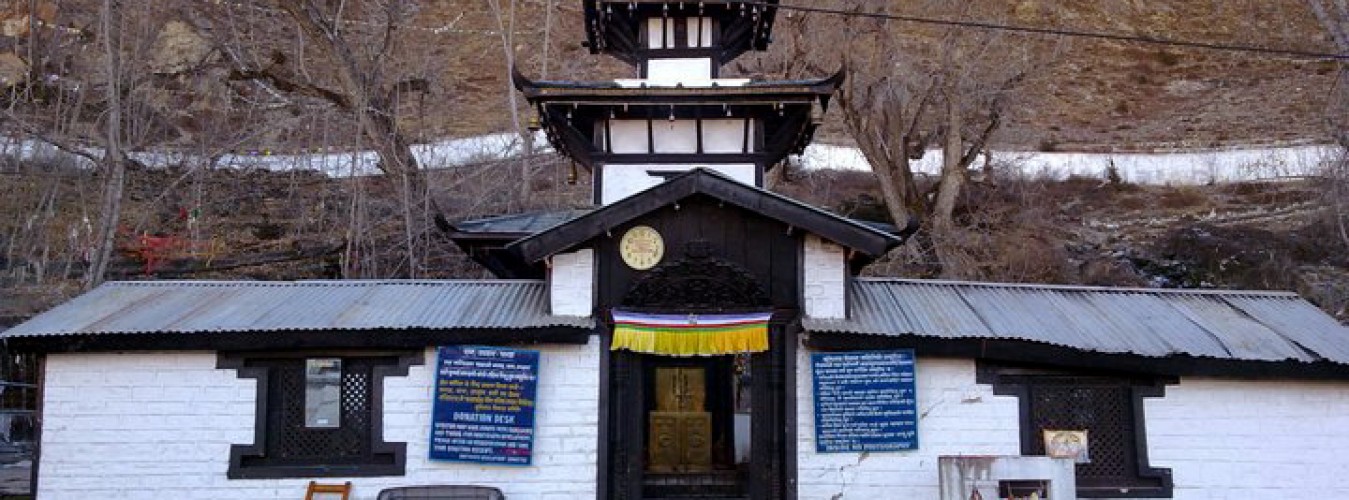
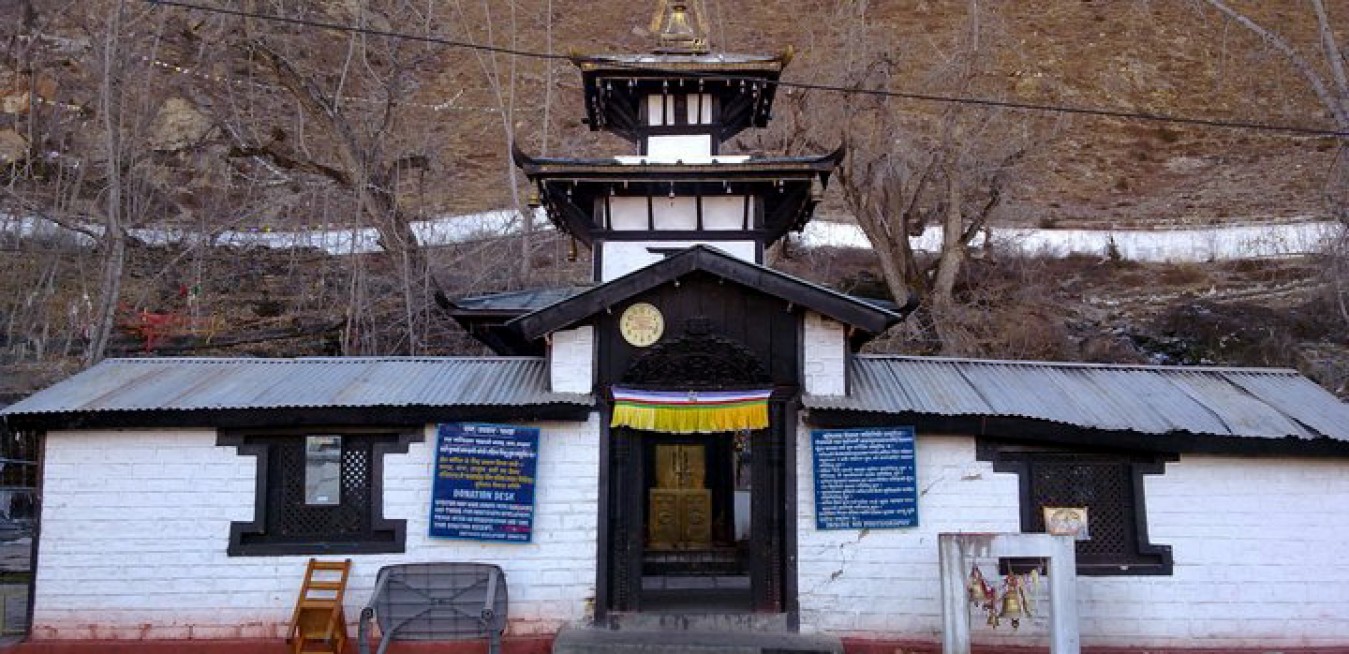
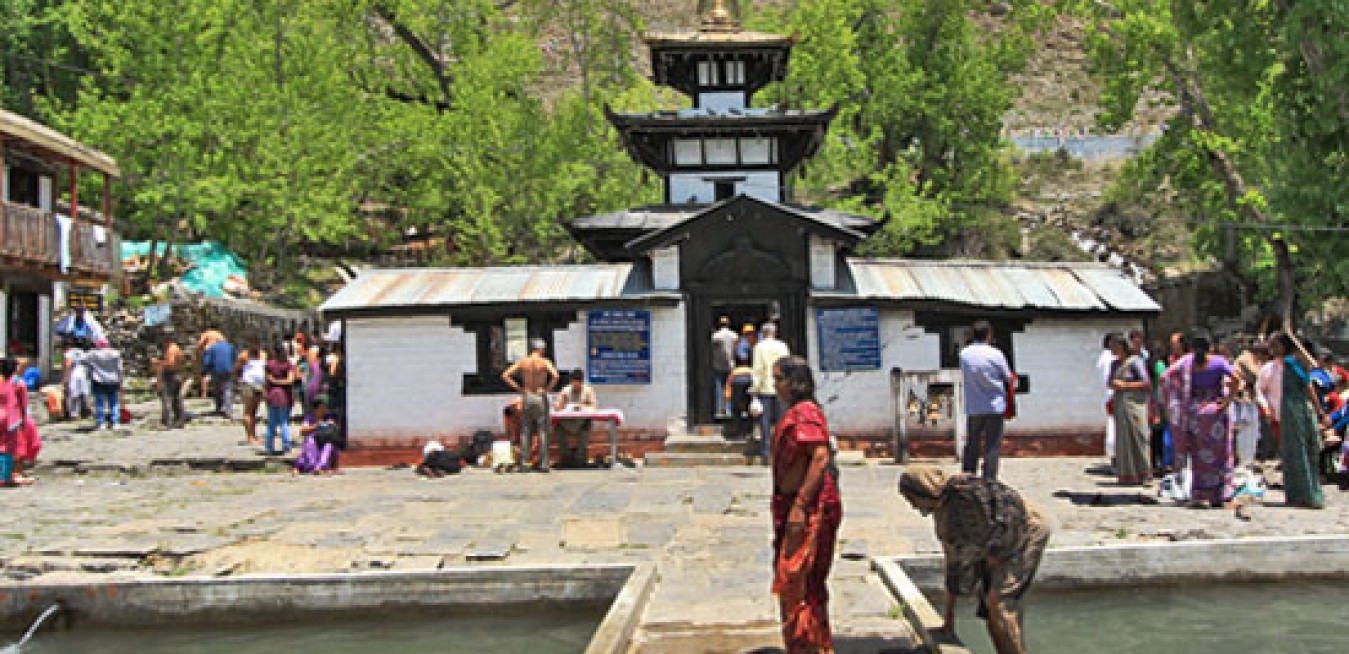
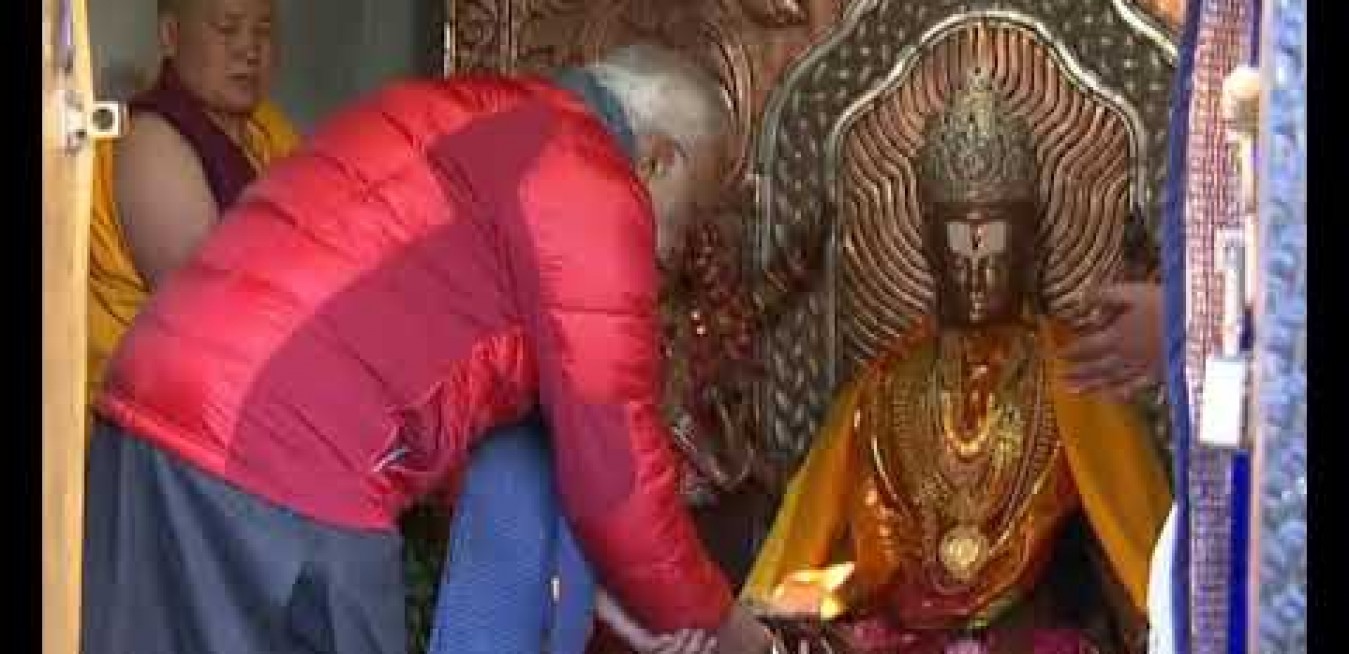
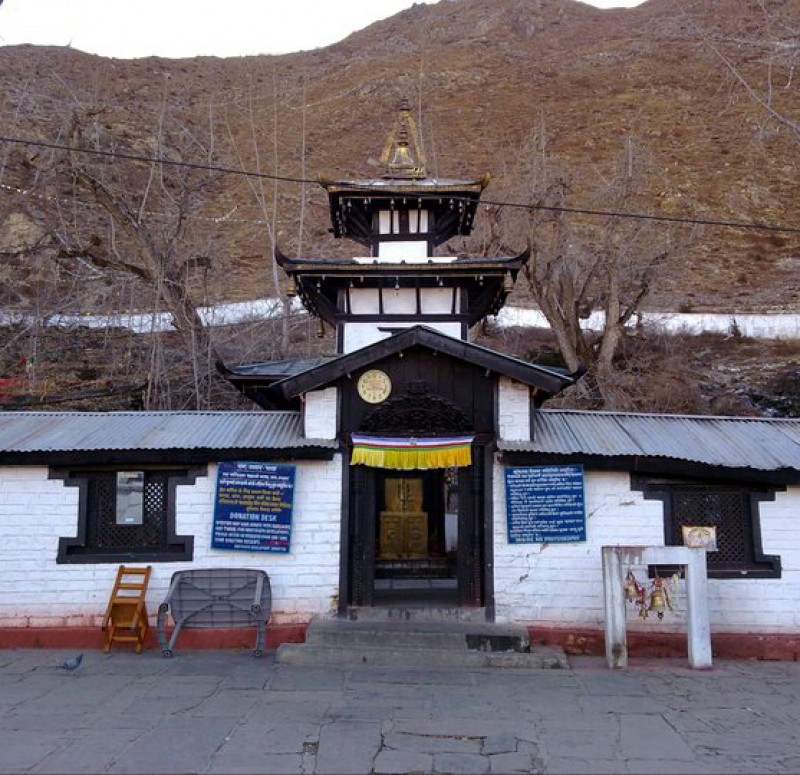
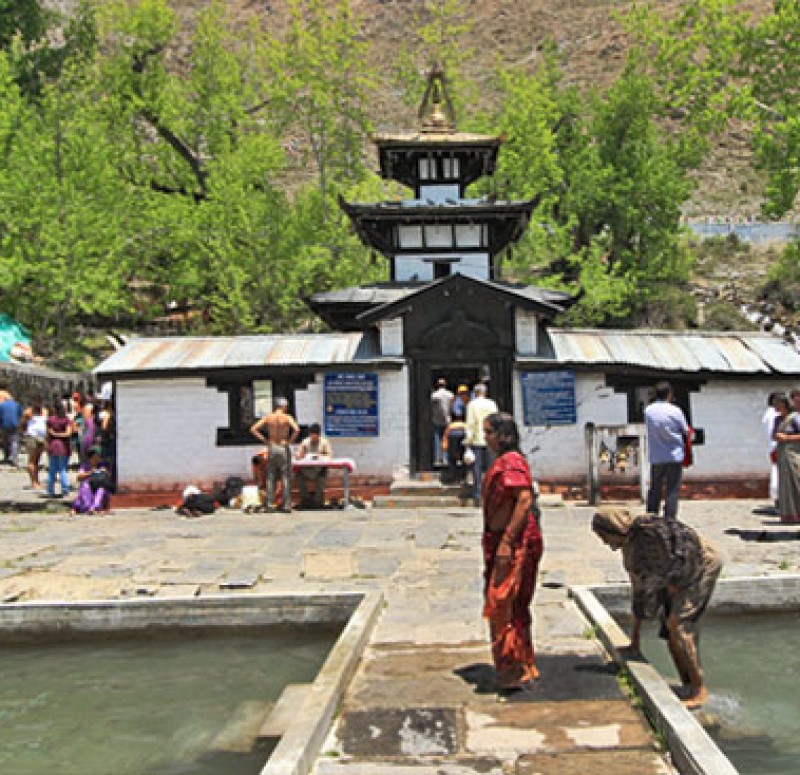
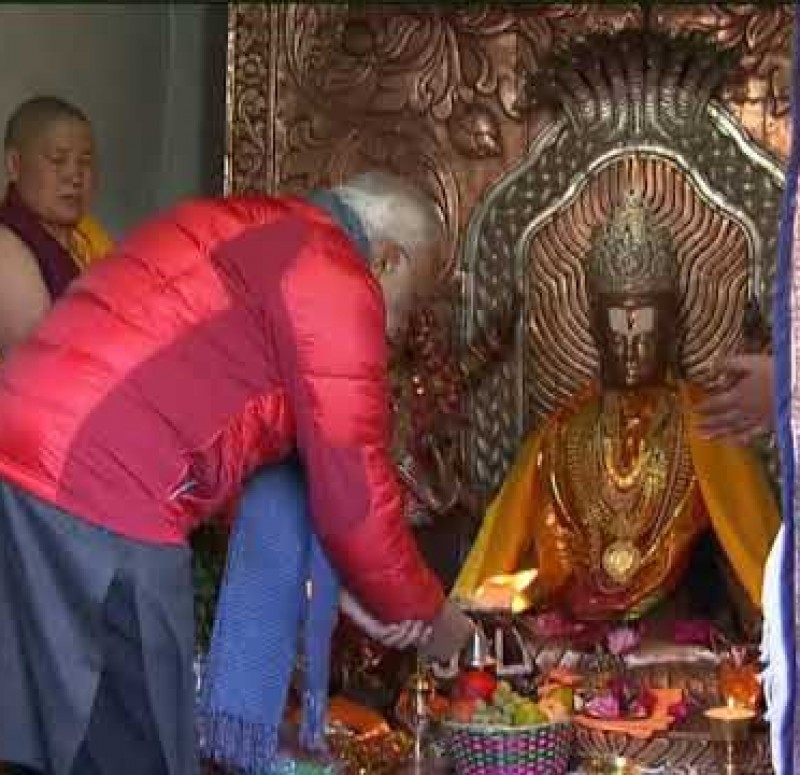
Muktinath is a sacred place both for Hindus and Buddhists located in Muktinath Valley at an altitude of 3,710 meters at the foot of the Thorong La pass, Mustang district, Nepal. The Hindus call the sacred place Mukti Kshetra, which literally means the "place of salvation". Mainly the temple is with a predominant Sri Vaishnava origin and worshipped by Buddhists. This temple is considered to be the 105th among the available 108 Divya Desam. The ancient name of this place, before Buddhist origin is known as Thiru Saligramam. This houses the Saligrama sila considered to be the naturally available form of Sriman Narayana (The Hindu God head). It is also one of the 51 Sakthi peetams. The central shrine of Sri Muktinath, predominant among all 108 Hindu SriVaishnava Divyadesam is considered one of the eight most sacred shrines for Hindu Vaishnavas known as Svayam Vyakta Ksetras, the other seven being Srirangam, Srimushnam, Tirupati, Naimisharanya, Totadri, Pushkar, and Badrinath. The temple is very small. Muktinath is one of the most ancient Hindu temples of God Vishnu.
7 NIGHT/ 8 DAYS
-
Destinantion
Nepal
-
Region
Mustang
-
Max Altitude
3710 M
-
Activity
Tour
-
Experience
Easy
-
Accomodation
Hotel
-
Trip Start
Kathmandu/Pokhara
-
Trip End
Pokhara/Kathmandu
Tour's Info
Height: 3710 M
 SEND US MESSAGE OR E-MAIL TO KNOW THE COST:
What's Included?
- International Airport transfer (Pick up and drop from Tribuwan International Airport Terminal)
- Deluxe accommodation in Kathmandu & Pokhara at 3 star category Hotel as per program
- Lodge accommodation in Jomsom and Beni
- Healthy breakfast, Lunch and Dinner
- Farewell dinner in Kathmandu
- All ground transportation
- Guided city tour
- Annapurna Conservation Trek Permit- ACAP
- Trekking Information Managment System, Card- TIMS
- An experienced English-speaking guide
- Entry fees of the monasteries and applicable charges
- Comprehensives medical KIT
What's Not Included?
- Meals in Kathmandu City
- Transfer in/out hotel
- Travel insurance, personal medical expenses and rescue evacuation
- Expenses incurred towards usage of landlines, mobiles phones and internet.
- Personal gear.
- Any extra expenses arising out of various/unforeseen situations like natural calamities, landslides, political disturbances, strikes, changes in government regulations, etc.
- Items of personal nature, laundry expenses, tips.
- Nepal entry visa fee (Visa's easy to acquire upon arrival).
- Any extra services, products, offers or activities which are not mentioned in the itinerary.
- Any other item not included in “THE PACKAGE COST INCLUDES” section
ATTRACTION AROUND MUKTINATH:
Mukti Kunda:
Two holy water ponds known as "Laxmi Saraswati Kunda" located in front of the temple. Taking the plunge here is believed to rinse away your sin.
Mukti Dhara:
108 waterspouts (Bull-headed shape) in the backyard of this temple where holy water (chill) from Gandaki River flows continuously. Taking bath under all these 108 Muktidhara is believed to bring salvation.
Jwala Mai Temple:
Continuously burning holy flame from a rock located inside Dhola Mebar Gompa is just five minutes walking distance, situated in the south region of the temple.
Mharme Lha Khang Gompa:
Monastery located in the north region of the temple is dedicated to Guru Rimpoche also known as Padmasambhava.
Swaminarayan: Satguru of Sabij Yoga.
Shaligram:
Fossils of the Jurassic park age that is found in Kali Gandaki River. This black stone is the symbol of Lord Vishnu and kept in the prayer room in the home.
GOOD TO KNOW:
HOW TO SAY HELLO AND THANK YOU IN NEPALI
Many Nepalese know Hello and Thank you, but hearing you speak in their language is still a sweet sound of respect. When saying Hello in Nepal, you say “Namaste” and fold your hands into a prayer. Thank you is “Danyavad”.
HOW TO GET A NEPAL VISA UPON ARRIVAL
Once you arrive at the airport, please follow these simple procedures for Tourist Visa on Arrival.
1st Step. Fill in ' Arrival Card ' ...
2nd Step. Make payment at the bank according to your visa requirement ( 15/30/90 Days) ...
3rd Step. Proceed to the Immigration Desk with your online form, payment receipts and your passport.
THE SPOKEN LANGUAGE IN NEPAL IS NEPALI AND THE SECOND LANGUAGE IS ENGLISH
Nepali is an Indo-Aryan language similar to Hindi, is written in Devanagari script and is the first language of Nepal. Indian travelers should understand enough to get around. English is a secondary language spoken mostly in large cities like Kathmandu. Outside Kathmandu, English is spoken a little less, but getting around is still manageable. Simply smile with a Namaste and the Nepalese will help you in any way they can.
AVOID DRINKING TAP WATER
Tap water is not filtered or purified in Nepal. Thus, tap water is often boiled before consumption. It’s best to buy bottled water. It is relatively inexpensive. Avoid any fruits and veggies foods washed in tap water.
ROADS AND DUST
Roads in Nepal can occasionally be in disrepair, due in part to the earthquake. The government is said to be working on improving them. Still, you’ll find large potholes and a lot of dust, especially in the more urban areas of Kathmandu. You’ll see Nepalese wearing face masks when driving on the road. Women cover their faces with saris or scarves.
SQAT TOILETS ARE COMMON IN NEPAL
While westernized hotels and restaurants and tourist attractions have western toilets, you’ll find more local joints and public restrooms bearing squat toilets.
AVOID STREET FOOD
Nepalese street food has been known to cause many bold adventurers a case of traveler’s stomach issues. Refrigeration is poor in Nepal so street food isn’t always refrigerated and food can be reused after a day of being out. Stick to well-maintained and busy restaurants.
BLACK OUT IN NEPAL
In the past, Nepal had regular blackout periods, which meant most of the city would go dark and don lanterns or power generators to keep business flowing. Today, the Nepal Electricity Authority (NEA) has turned on the lights, making blackouts a thing of the past. But the newfound electricity has made Nepalese people suspect that the NEA purposely left them in the dark all these years, as a ploy to force them to invest in power generators.
Kathmandu is fairly lit and most westernized hotels and restaurants have backup power generators for traveler’s convenience. In more remote areas and trekking trips, take a flashlight or headlamp
Fix Departures
| Start Dates | End Dates | Group Size | Availability | Trip Enquiry |
|---|---|---|---|---|
|
|
13th Apr 2020
|
+ 2 pax
|
Open
|
|
|
13th Apr 2020
|
20th Apr 2020
|
+ 2 pax
|
Open
|
|
|
17th Apr 2020
|
24th Apr 2020
|
+ 2 pax
|
Open
|
|
|
22nd Apr 2020
|
29th Apr 2020
|
+ 2 pax
|
Open
|
|
|
7th Oct 2020
|
14th Oct 2020
|
+ 2 pax
|
Open
|
|
|
14th Oct 2020
|
21st Oct 2020
|
+ 2 pax
|
Open
|
|
|
21st Oct 2020
|
28th Oct 2020
|
+ 2 pax
|
Open
|
Want to Make A Private Trip?
Inquire This Trip As A Private Departure For ANy Group Size.
Similar Tours
-

$0$800
KATHMANDU CITY & NAGARKOT TOUR
3 Night/ 4 Days -
 $0
$0
KATHMANDU HERITAGE TOUR
3 Night/4 Days -
 $0
$0
KATHMANDU CITY, NAGARKOT & KRITIPUR TOUR
4 Night/5 Days -
 $0
$0
KATHMANDU & CHITAWAN JUNGLE SAFARI TOUR-
6 Night/ 7 Days -
 $0
$0
KATHMANDU-CHITAWAN NATIONAL PARK & POKHARA TOUR
8 NIGHT/ 9 DAYS -
 $0
$0
KATHMANDU-CHITAWAN NATIONAL PARK & POKHARA TOUR
7 Night/ 8 Days -
 $0
$0
KATHMANDU-POKHARA- LUMBINI TOUR
8 NIGHT/9 DAYS -
 $0
$0
KATHMANDU-POKHARA-LUMBINI-CHITAWAN TOUR
10 NIGHTS/11 DAYS -
 $0
$0
KATHMANDU-LUMBINI-CHITAWAN TOUR
8 NIGHTS/9 DAYS -
 $0
$0
KATHMANDU CITY & POKHARA TOUR
6 Night/7 Days


