

1st Jan 1970
Nepal is a nation between India and Tibet known for its temples and Himalayan mountains, which include Mt. Everest. Kathmandu, the capital, has a mazelike old quarter filled with Hindu and Buddhist shrines. Around Kathmandu Valley are Swayambhunath, a Buddhist temple with resident monkeys; Boudhanath, a massive Buddhist stupa; Hindu temples and cremation grounds at Pashupatinath; and the medieval city of Bhaktapur.
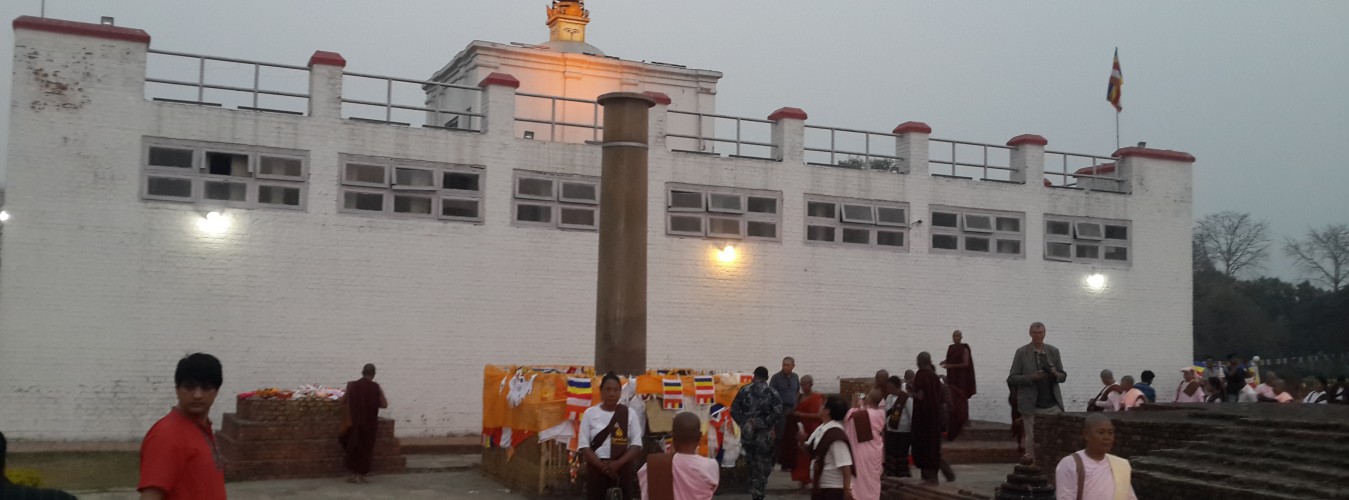
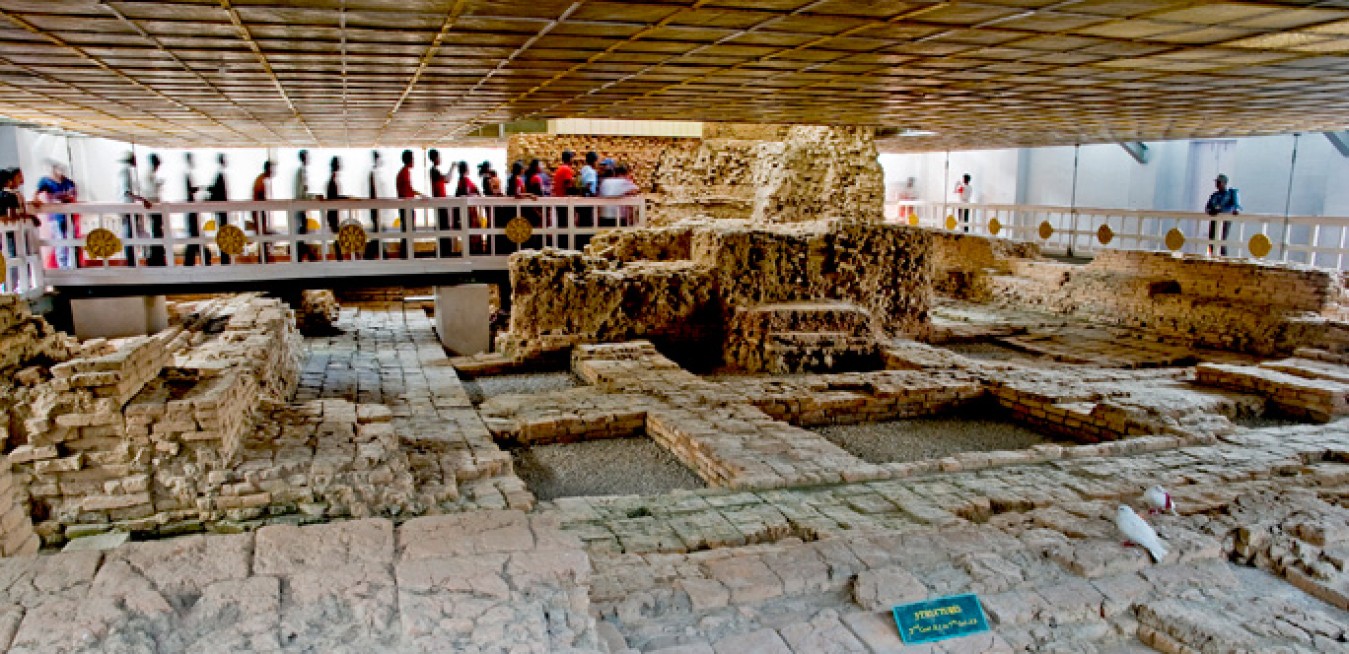
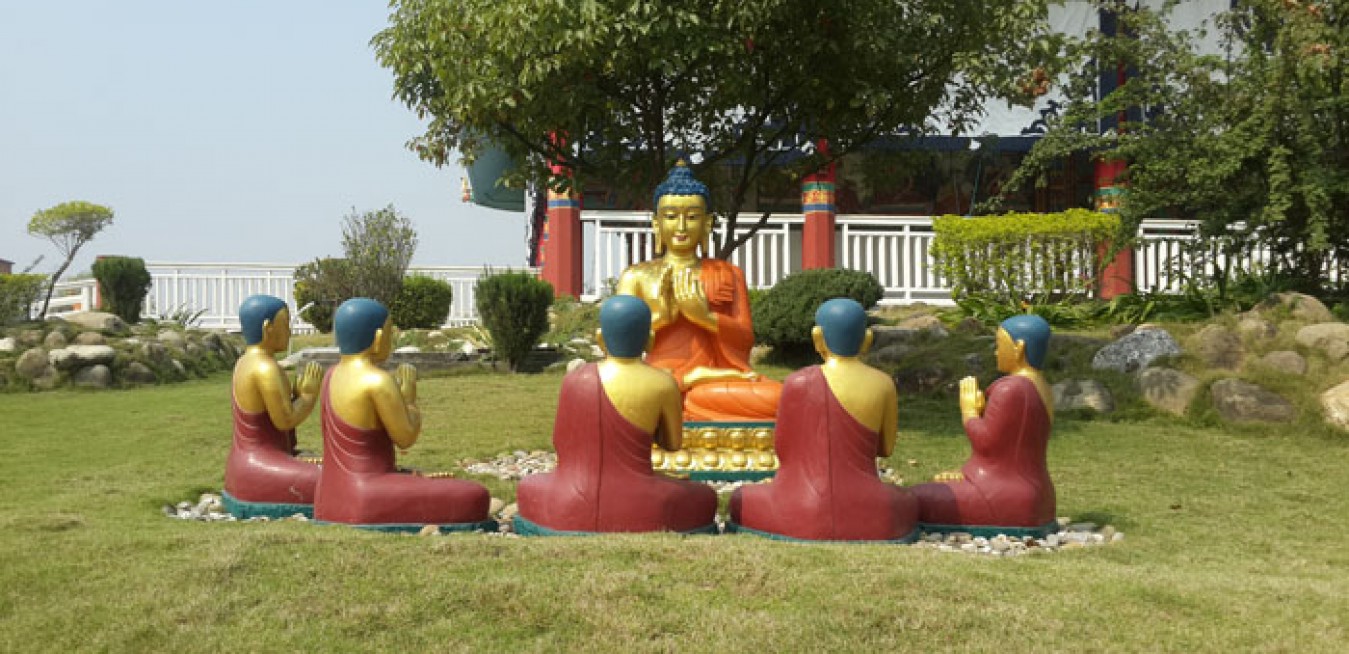
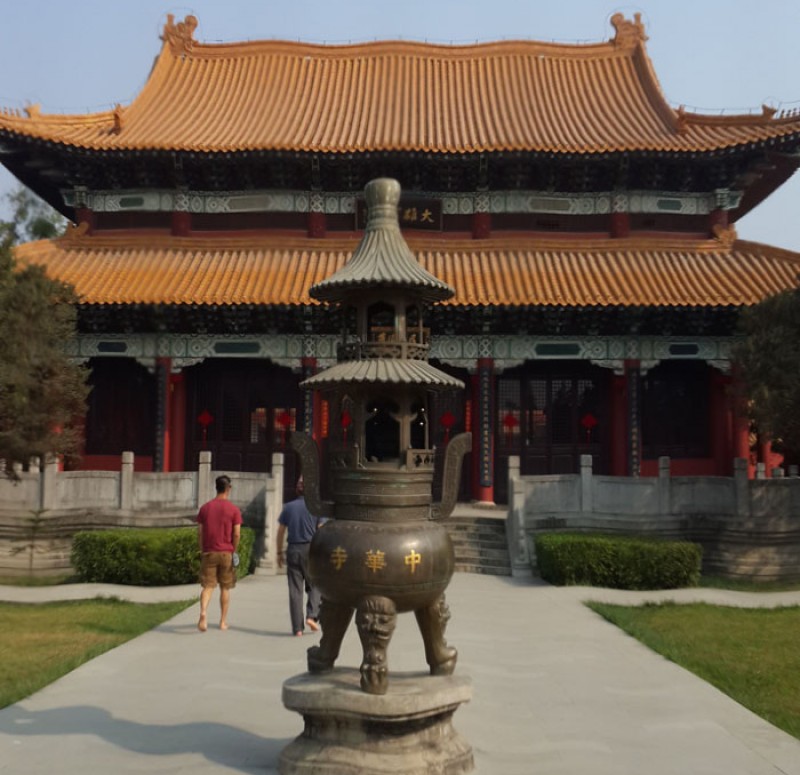
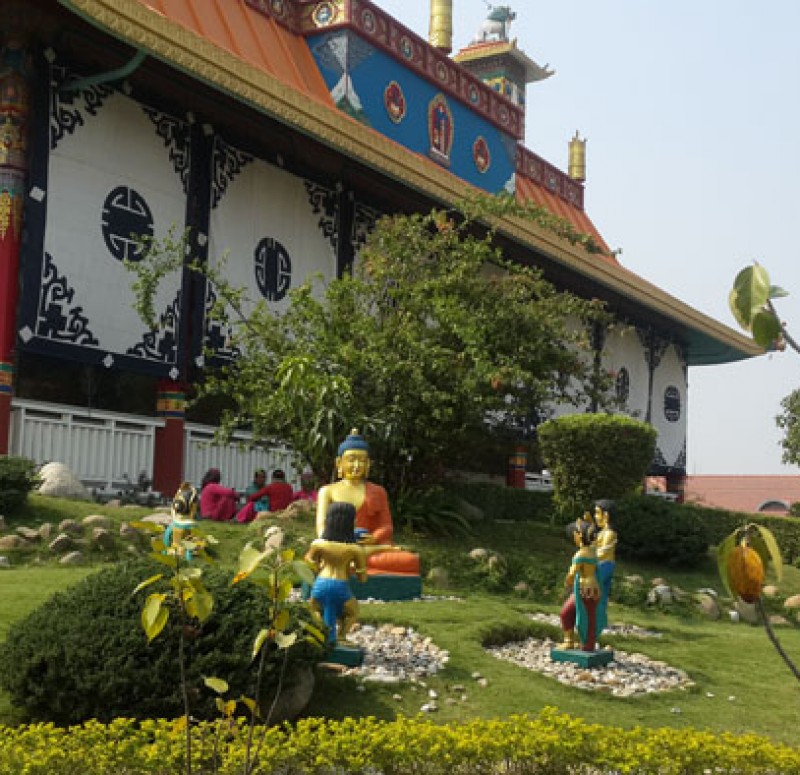
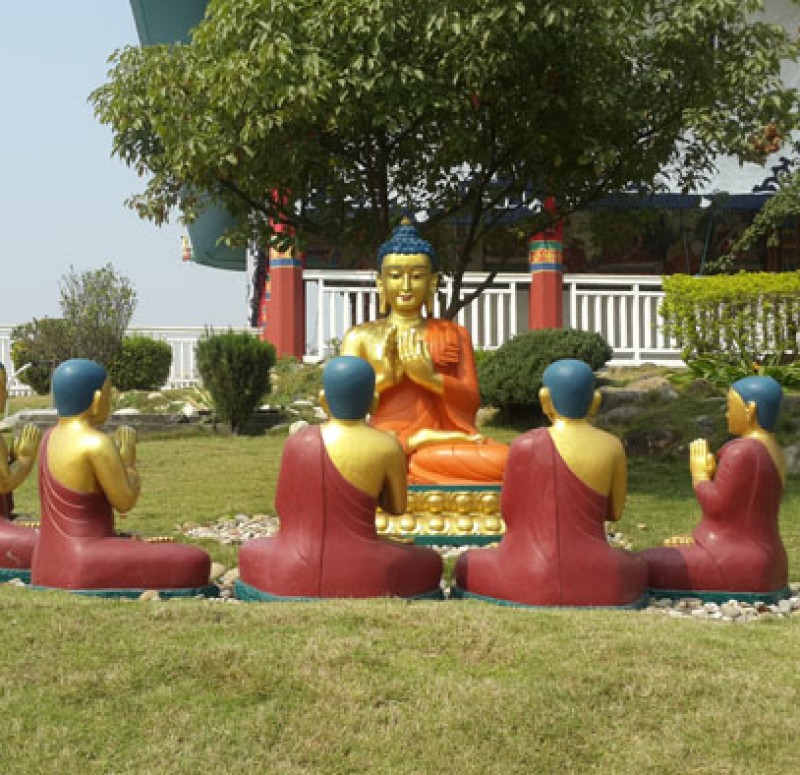
Nepal's beauty also includes Lumbini located in Bhairahawa district of Nepal. Lumbini is the traditional birthplace of Gautama Buddha, the founder of Buddhism, who was born in the 7th or 6th century BC. According to Buddhist tradition, Maya Devi (or Mayadevi) gave birth to the Buddha on her way to her parent's home in Devadaha in the month of May in the year 642 BC. In lumbini we can visit the birthplace of the Buddha and also we can see the beautiful Buddhist
6 DAYS
-
Destinantion
Nepal
-
Region
Nepal
-
Max Altitude
1340 M
-
Activity
Tour
-
Accomodation
Hotel
-
Trip Start
Kathmandu
-
Trip End
Kathmandu
Package Info
Height: 1340 M
 SEND US MESSAGE OR EMAIL TO KNOW THE TOUR COST:
What's Included?
- International Airport transfer (Pick up and drop from Airport Terminal)
- Deluxe accommodation in Kathmandu,Pokhara and Chitawan at 3 star category Hotel
- Healthy breakfast included in Kathmandu and Breakfast, Lunch, Dinner in Lumbini
- Farewell dinner in Kathmandu
- All ground transportation
- An experienced English-speaking guide for tour
- Entry fees of the monasteries and applicable charges
- Other government applicable charges
- Comprehensives medical KIT
What's Not Included?
- Meals in Kathmandu City
- Transfer in/out hotel
- Travel insurance, personal medical expenses and rescue evacuation
- Expenses incurred towards usage of landlines, mobiles phones and internet.
- Personal gear.
- Any extra expenses arising out of various/unforeseen situations like natural calamities, landslides, political disturbances, strikes, changes in government regulations, etc.
- Items of personal nature, laundry expenses, tips.
- Nepal entry visa fee (Visa's easy to acquire upon arrival).
- Any extra services, products, offers or activities which are not mentioned in the itinerary.
- Any other item not included in “THE PACKAGE COST INCLUDES” section.
THE PLACES YOU WILL VISIT IN KATHMANDUAND LUMBINI:
BOUDHNATH STUPA:
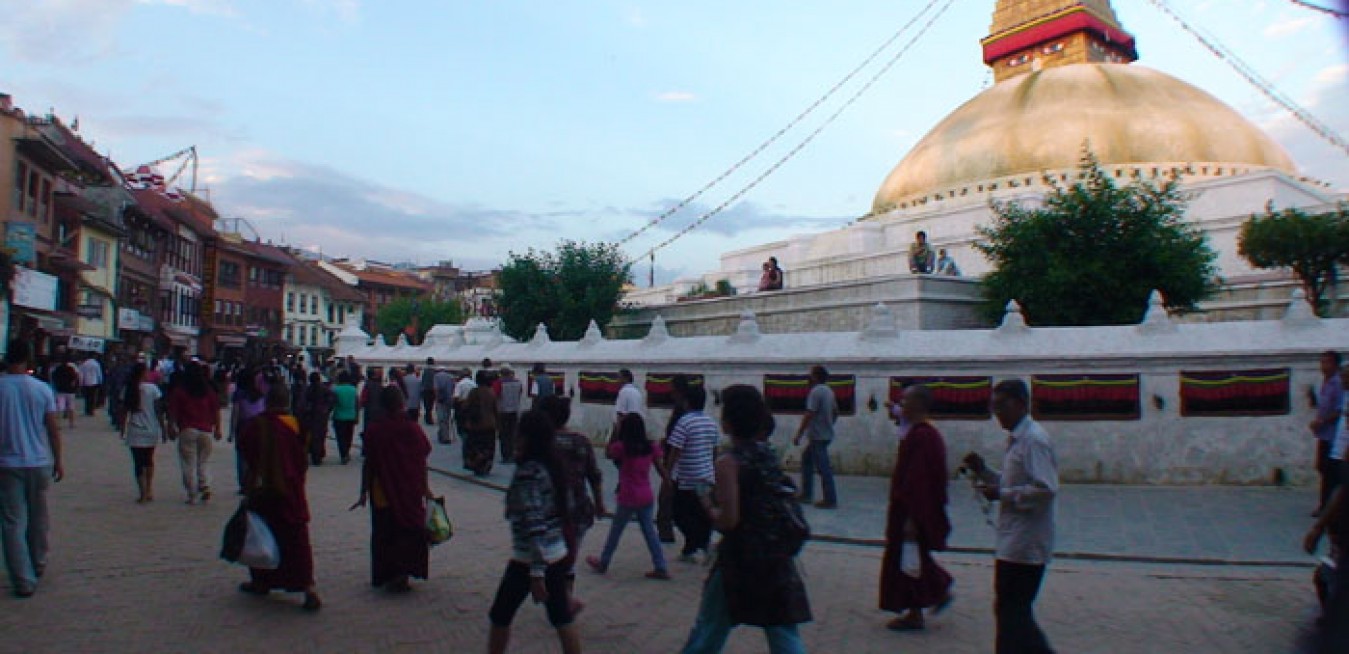
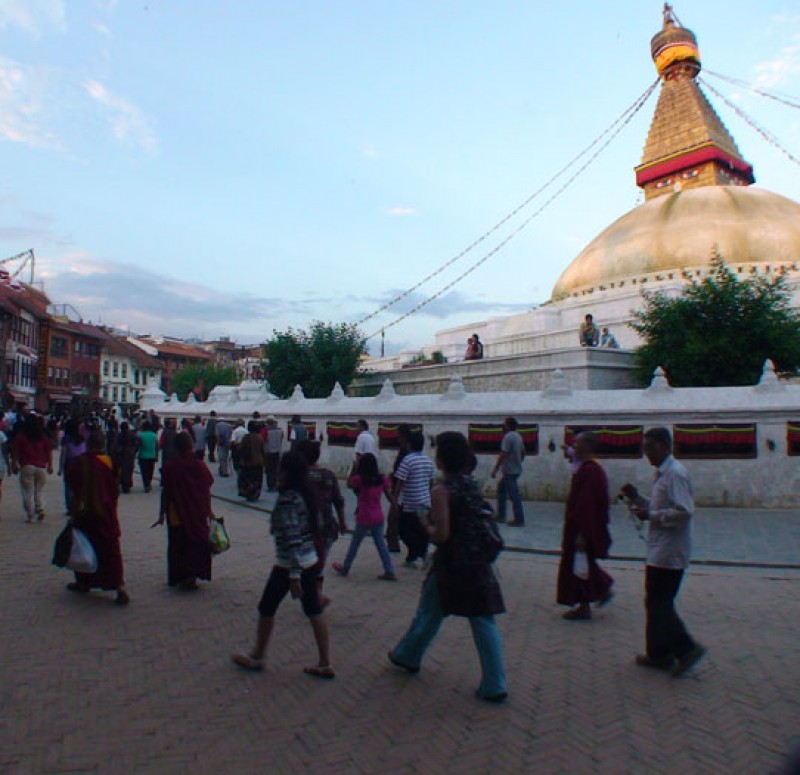
Boudhanath, is one of the most imposing landmarks in Kathmandu, visible as soon as you land at the Tribhuvan International Airport. It is the Largest stupa in the Kathmandu Valley.
The 36-meter-high stupa of Boudhanath is one of the largest stupas in South Asia. With countless monasteries surrounding it, Boudhanath is the centre of Tibetan Buddhism in Nepal.
Built in the shape of a mandala designed to replicate the Gyangtse of Tibet, the stupa was renovated by Licchhavi rulers in the 8th century. The location of the stupa is interesting as it once lay on the ancient trade route to Tibet and it was here that Tibetan merchants rested and offered prayers for centuries.
On each side are a pair of the all-seeing-eyes of the Buddha symbolizing awareness. The canopy has 13 stages. At ground level there is a brick wall with 147 niches and 108 images of the meditational Buddha inset behind copper prayer wheels.
PASHUPATIMATH TEMPLE:
Dedicated to Lord Shiva, Pashupatinath is one of the four most important religious sites in Asia for devotees of Shiva. Built in the 5th century and later renovated by Malla kings, the site itself is said to have existed from the beginning of the millennium when a Shiva lingam was discovered here.
The largest temple complex in Nepal, it stretches on both sides of the Bagmati River which is considered holy by Hindus. The main pagoda style temple has a gilded roof, four sides covered in silver, and exquisite wood carvings. Temples dedicated to several other Hindu and Buddhist deities surround the the temple of Pashupatinath.
Cremation of Hindus take place on raised platforms along the river. Only Hindus are allowed through the gates of the main temple. The inner sanctum has a Shiva lingam and facing the temple sits the largest statue of Nandi the bull, the vehicle of Shiva. There are hundreds of Shiva lingams within the compound.
Pashupatinath Temple is one of the eight UNESCO cultural Heritage Sites of the Kathmandu Valley. It is also a cremation site where the last rites of Hindus are performed. The rituals of cremation is not for the faint hearted; still visitors are seen watching curiously from across the river from the hillside. Visit Pashupatinath Temple for an out-of-this-world experience.
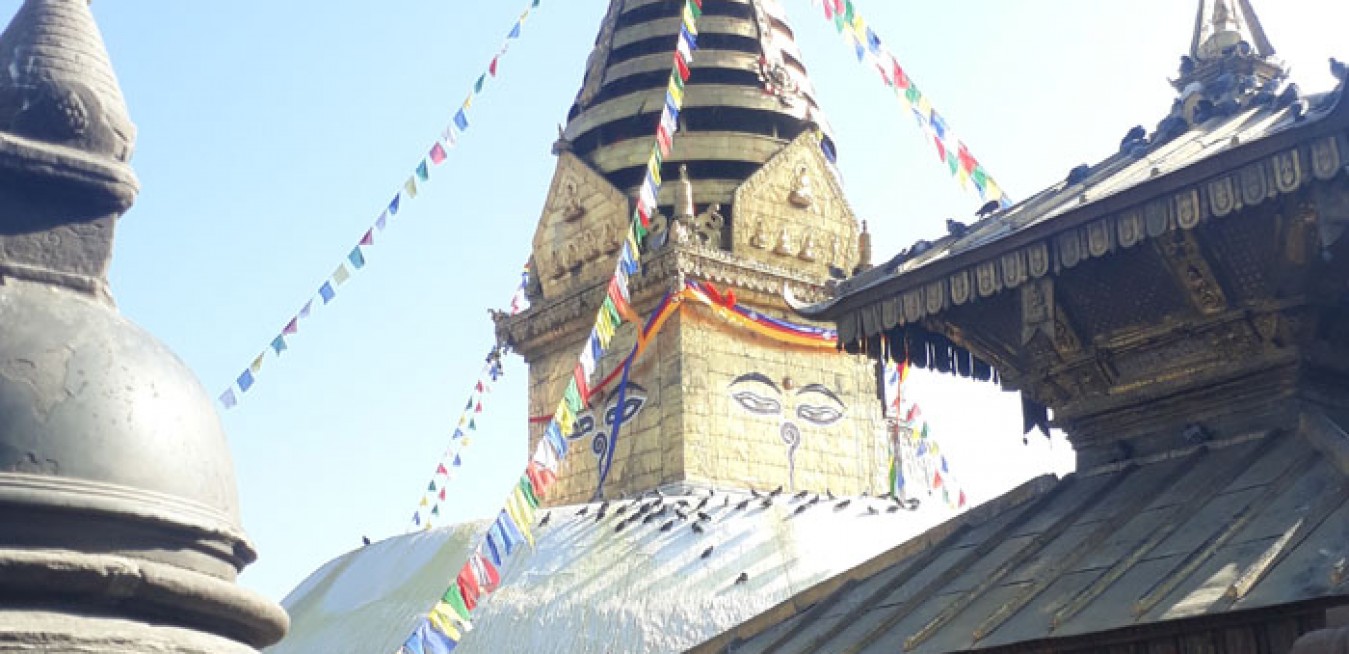
SWAYAMBUNATH TEMPLE
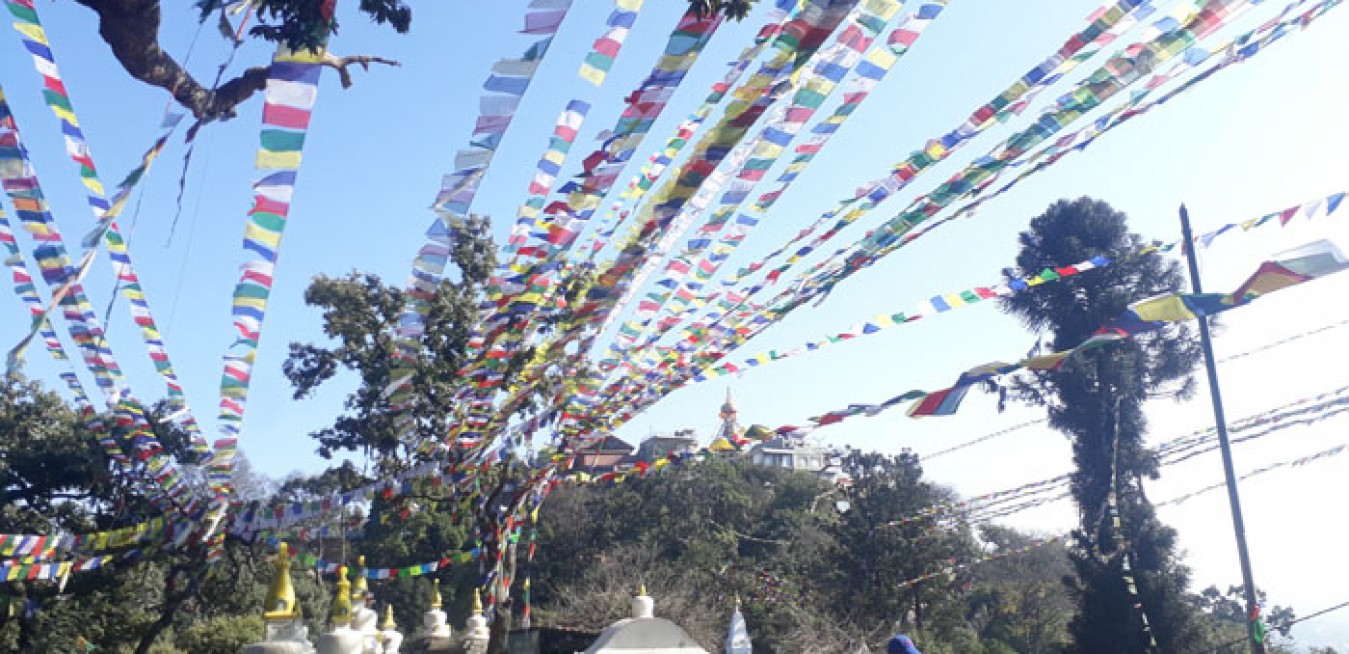
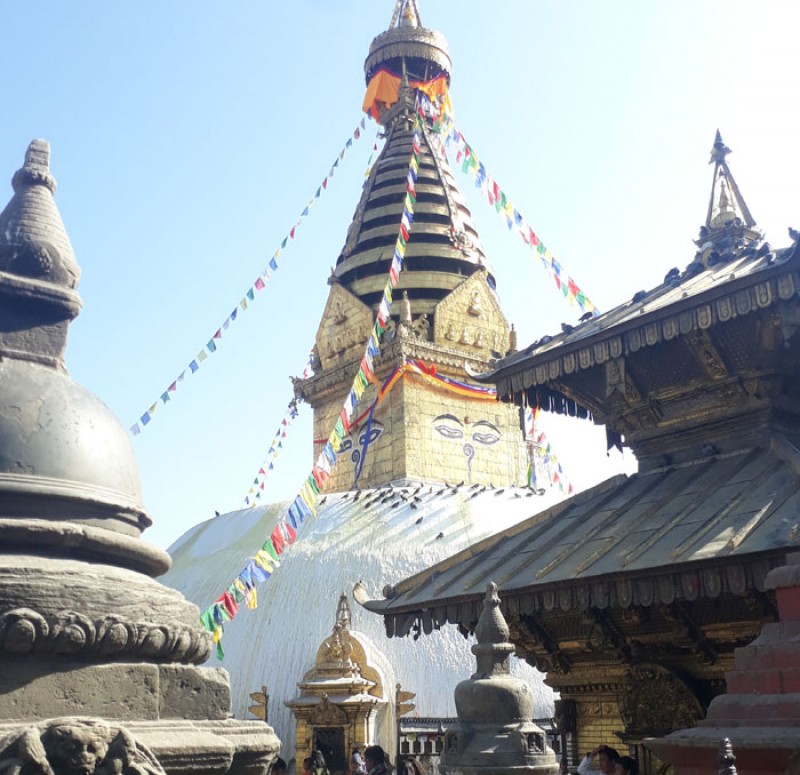
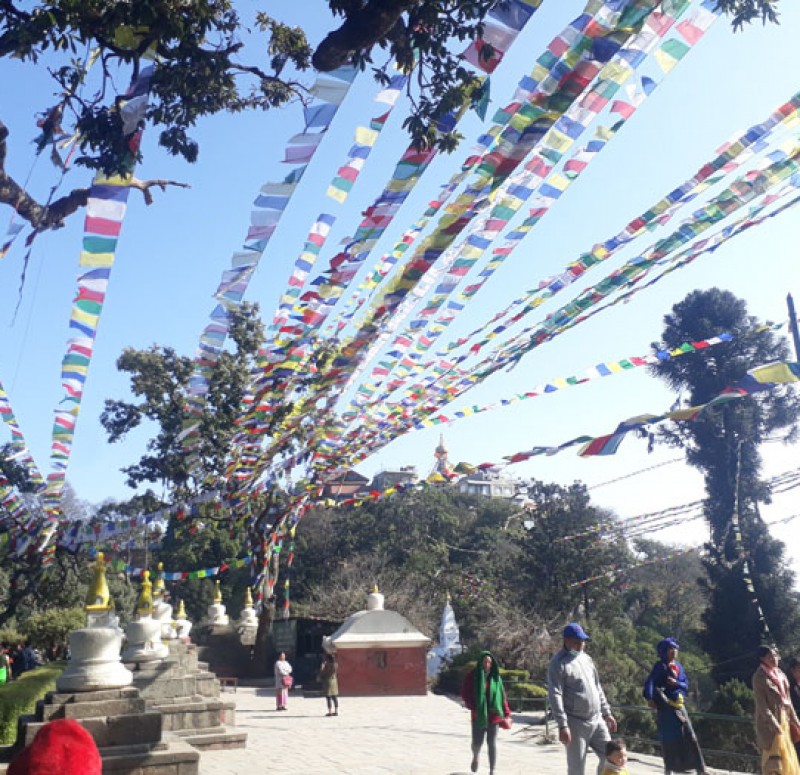
Find peace and prayers on the little hillock of Swaymbhunath in the northwest of Kathmandu Valley. Visitors for whom the name was a tongue twister have called it "Monkey Temple" from the 1970s. Swayambhu, overlooks most parts of the valley giving visitors a panoramic view of the city. The stupa has stood as a hallmark of faith and harmony for centuries with Hindu temples and deities incorporated in this Buddhist site. The glory of Kathmandu Valley is said to have started from this point.
Resting on a hillock 3 KM west of Kathmandu Swayambhu is one of the holiest Buddhist stupas in Nepal. It is said to have evolved spontaneously when the valley was created out of a primordial lake more than 2,000 years ago. This stupa is the oldest of its kind in Nepal and has numerous shrines and monasteries on its premises.
Swayambhu literally means "self-existent one". Believed to date back to 460 A.D., it was built by King Manadeva and by the 13th century, it had become an important center of Buddhism. Legend has it that Swayambhu was born out of a lotus flower that bloomed in the middle of a lake that once spread across the Kathmandu Valley once was. The largest image of the Sakyamuni Buddha in Nepal sits on a high pedestal on the western boundary of Swayambhu beside the Ring Road. Behind the hilltop is a temple dedicated to Manjusri or Saraswati - the Goddess of learning. Chaityas, statues and shrines of Buddhist and Hindu deities fill the stupa complex. The base of the hill is almost entirely surrounded by prayer wheels and deities. Devotees can be seen circumambulating the stupa at all times.
Exceedingly steep stone steps that lead up to the shrine is quite a challenge. However, there is also a motor road going up almost to the top from where it is a short walk. A large number of Buddhists and Hindus alike visit Swayambhu throughout the day. This shrine is perhaps the best place to observe religious harmony in Nepal. The largest crowds of people are seen here on Buddha's birthday which usually falls in May each year.
KATHMANDU DURBAR SQUARE
Kathmandu Durbar Square in front of the old royal palace of the former Kathmandu Kingdom is one of three Durbar Squares in the Kathmandu Valley in Nepal, all of which are UNESCO World Heritage Sites. Several buildings in the Square collapsed due to a major earthquake on 25 April 2015.
BHAKTAPUR
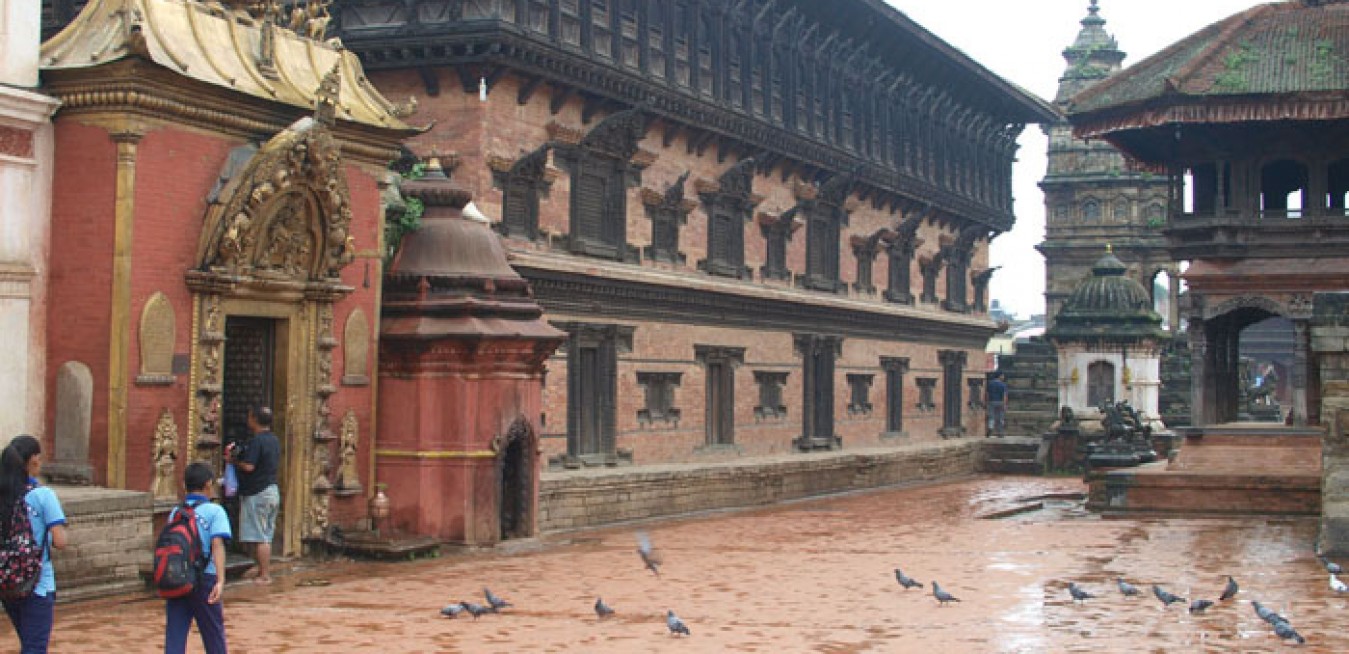
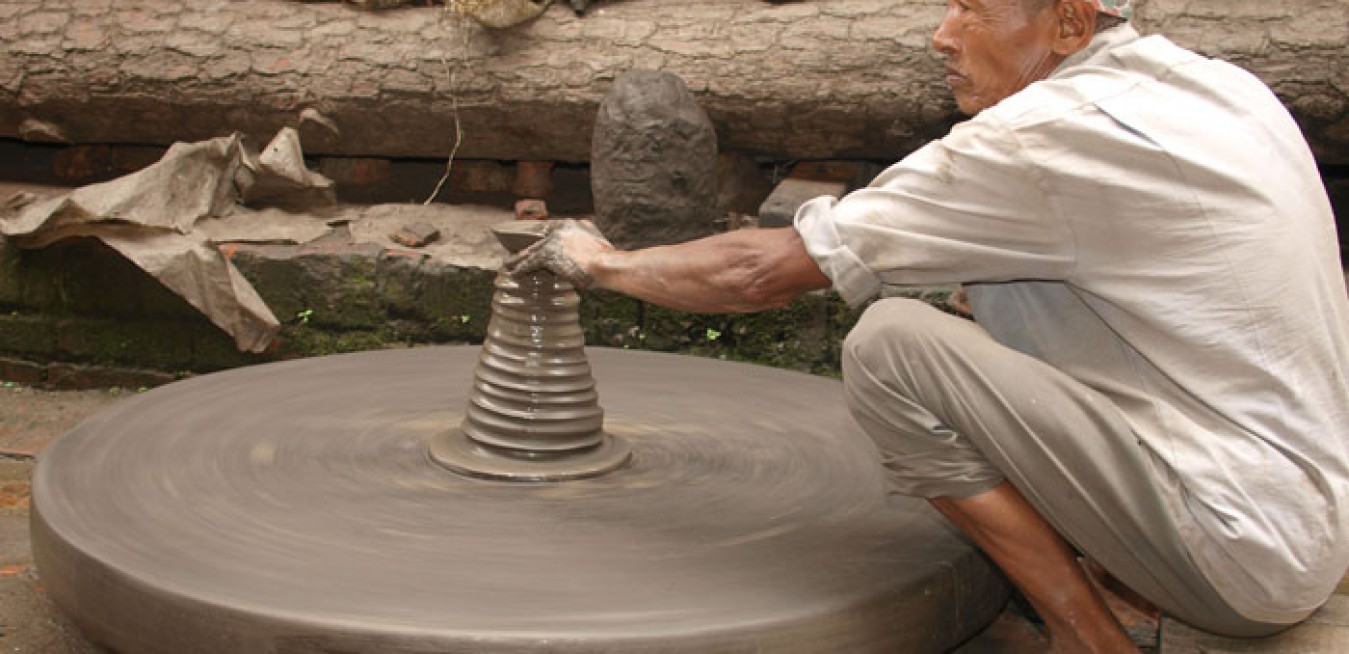
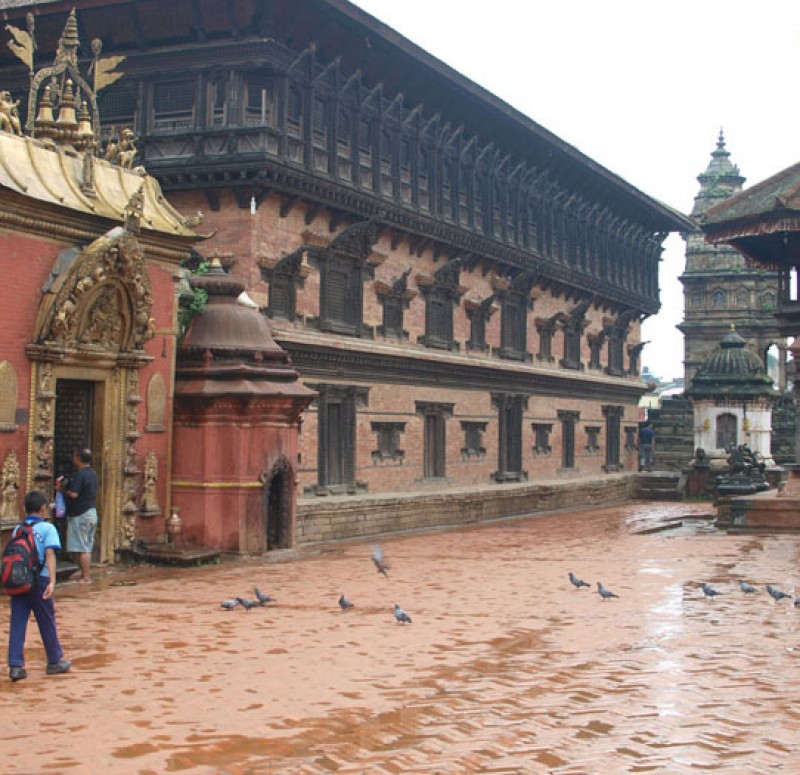
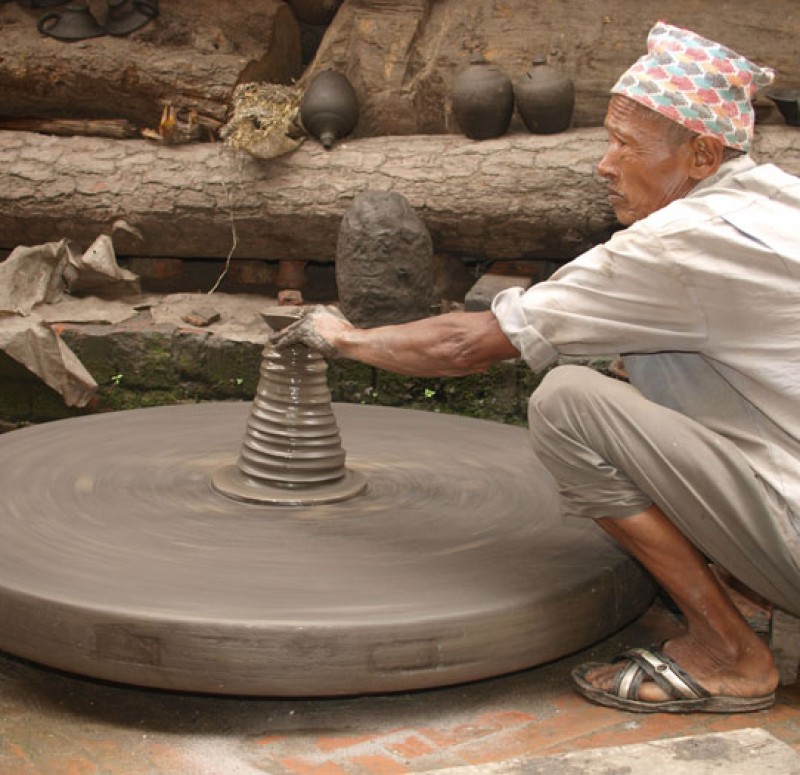
Among the three major cities of the Kathmandu Valley, Bhaktapur, to this date, is the living representation of how the entire Kathmandu Valley would have looked like during the medieval periods. The city is celebrated for its glorious architecture; sky-high temples built in pagoda style - which is believed to be the stairway to the heaven, fine clay pottery, and massive royal courtyards whose existence date back to the 12th century, where devotees, still, celebrate their pre-historic festivals by equal amount of gusto and passion.
Bhaktapur used to be the ruling throne of the Kathmandu Valley until the king, Yakshya Malla, in 1482, divided the kingdom between his three sons, eventually fading the strength of unity and losing the nation to the Shah dynasty from Gorkha. But, before losing the kingdom to Shah kings, Bhaktapur was renowned for its Malla Yuddha; a fierce combat between two wrestlers. Hence, one can observe muscular craved wrestlers, as the trademark of the city, into various temples of as the guardian of the city and of the Gods.
Bhaktapurians are proud inhabitants of their city and culture. Most of the women would be seen in their traditional, Newari, attire, who would do their laundry in public - but artistically crafted - taps, farmers would be seen here and there carrying vegetables, as the city is also known as Bhadgaon, which means the City of Rice. This city has preserved the Newari value as a mother would keep their children safe, so it would be not hard to feel the aroma of ancient Newari culture once you reach the Bhaktapur.
The city is considered as the neat city, compared to other two cities, where tradition and modernization walk in sustainability. Bhaktapur city is one of the beautiful UNESCO Heritage Sites of Nepal.
PATAN
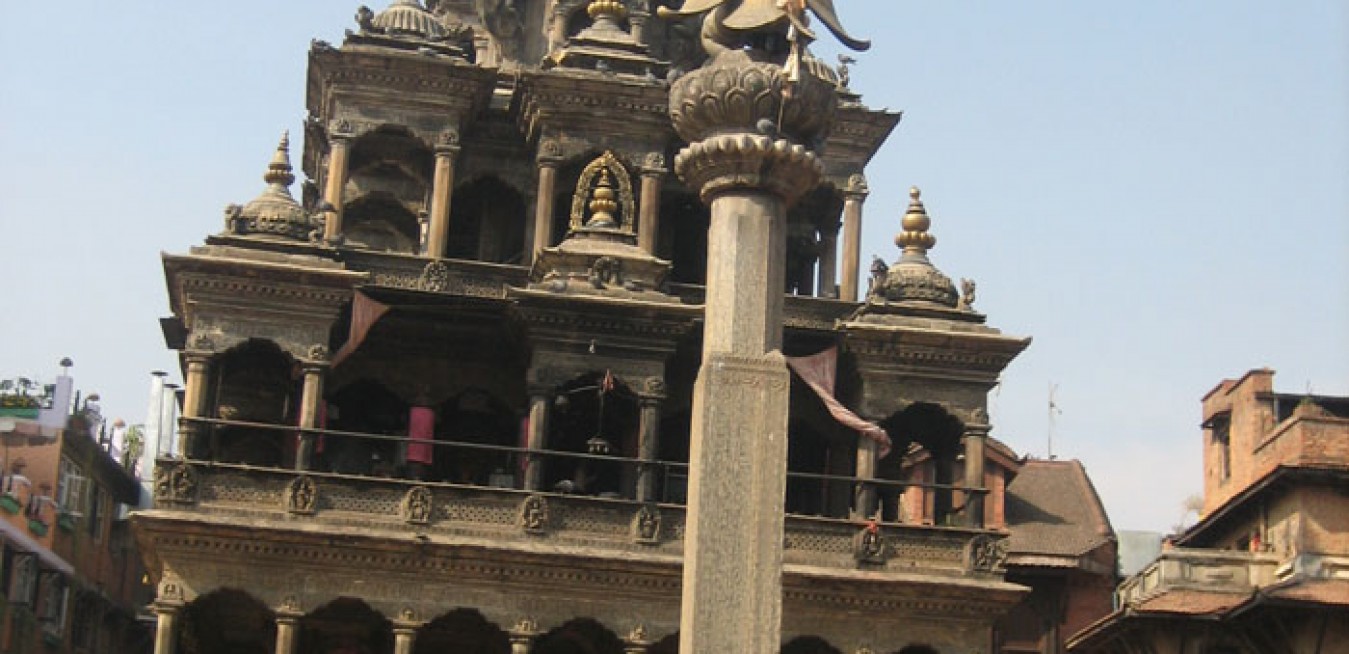
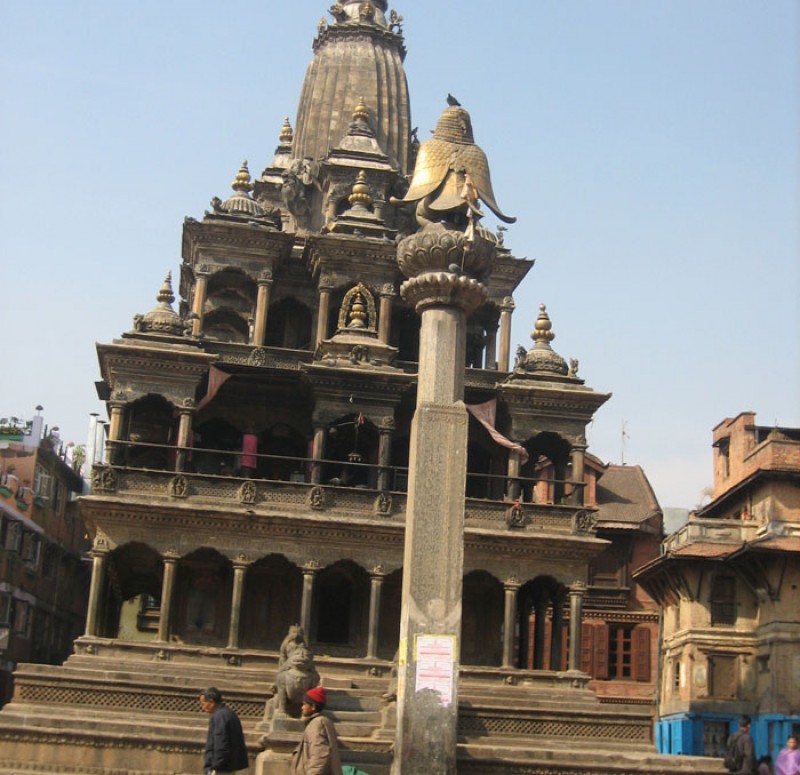
Patan Durbar Square is situated at the centre of the city of Lalitpur in Nepal. It is one of the three Durbar Squares in the Kathmandu Valley, all of which are UNESCO World Heritage Sites. One of its attraction is the ancient royal palace where the Malla Kings of Lalitpur resided.
NARAYANHITI PALACE MUSEUM:
Narayanhiti Palace (Royal Palace), converted to Narayanhiti Palace Museum in 2008, is a palace in Kathmandu, which long served as the residence and principal workplace of the reigning Monarch of the Kingdom of Nepal.
LUMBINI
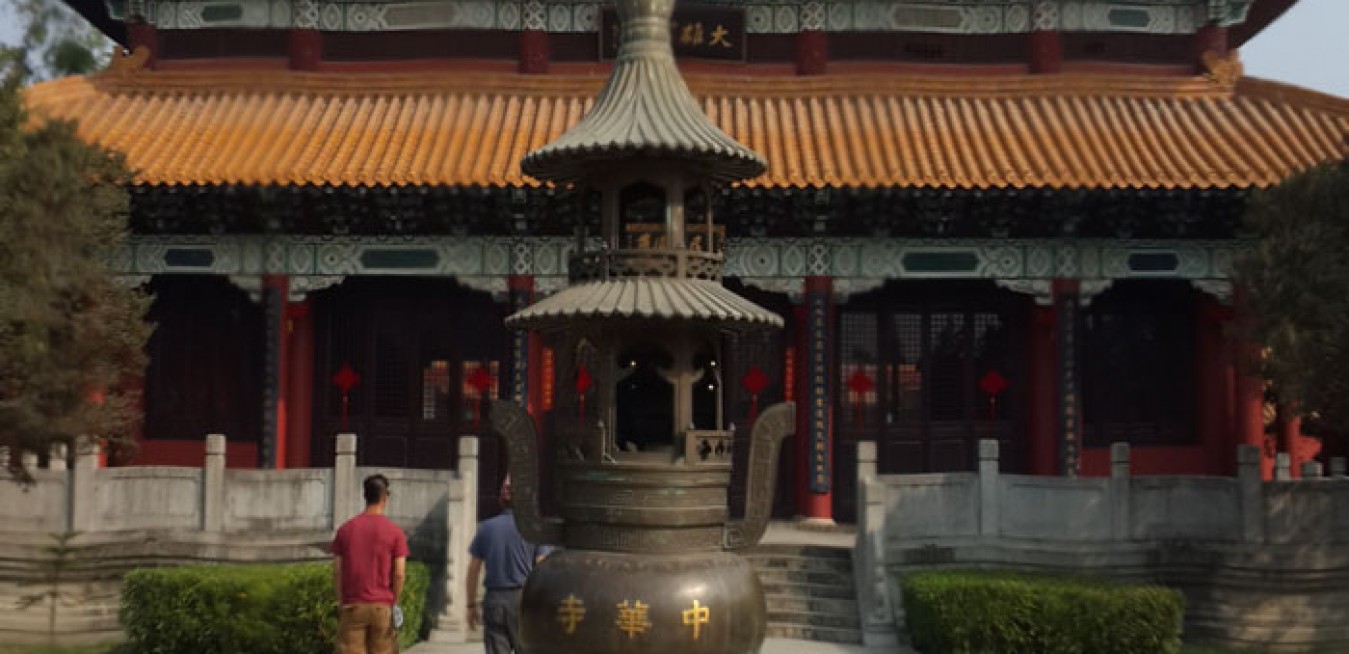
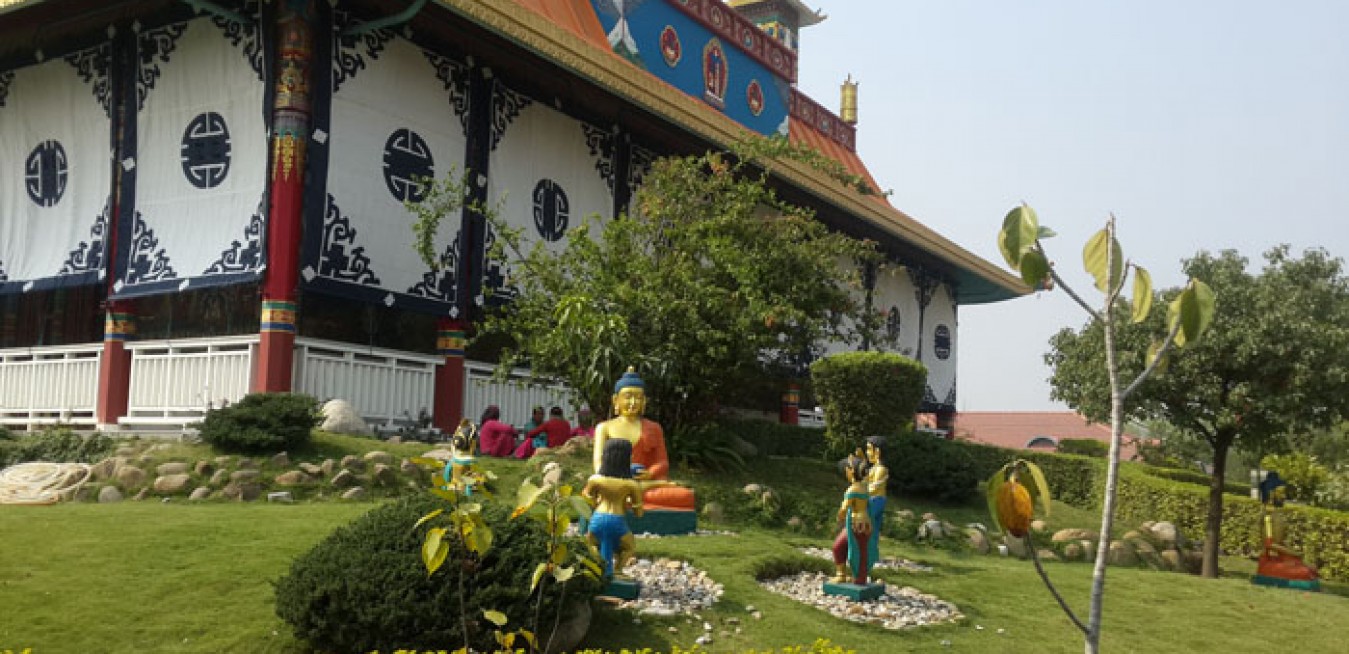
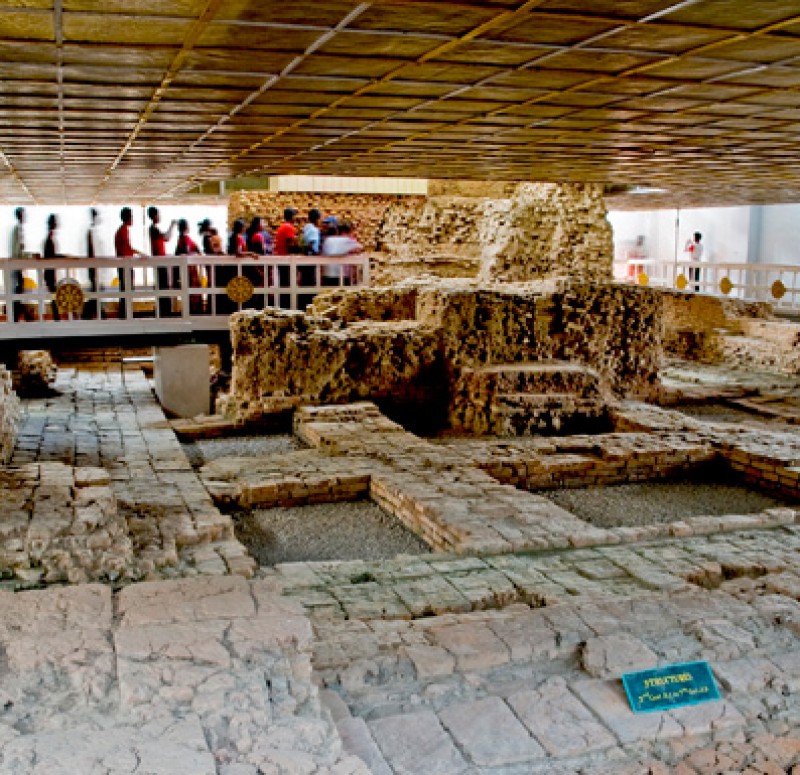
Visit Lumbini, the birthplace of the Buddha and see the beautiful Buddhist monasteries built by the international community; study Buddhism or meditate in the peaceful atmosphere.
Lumbini has a number of older temples, including the Mayadevi Temple, and various new temples, funded by Buddhist organisations from various countries, have been completed or are still under construction. Many monuments, monasteries and a museum, and the Lumbini International Research Institute are also within the holy site. Also, there is the Puskarini, or Holy Pond, where the Buddha's mother took the ritual dip prior to his birth and where he had his first bath. At other sites near Lumbini, earlier Buddhas were, according to tradition, born, then achieved ultimate Enlightenment and finally relinquished their earthly forms.
Fix Departures
| Start Dates | End Dates | Group Size | Availability | Trip Enquiry |
|---|---|---|---|---|
|
|
1st Jan 1970
|
+ 2 pax
|
Open
|
|
|
1st Jan 1970
|
1st Jan 1970
|
+ 2 pax
|
Open
|
|
|
1st Jan 1970
|
1st Jan 1970
|
+ 2 pax
|
Open
|
|
|
1st Jan 1970
|
1st Jan 1970
|
+ 2 pax
|
Open
|
|
|
1st Jan 1970
|
1st Jan 1970
|
+ 2 pax
|
Open
|
|
|
1st Jan 1970
|
1st Jan 1970
|
+ 2 pax
|
Open
|
|
|
1st Jan 1970
|
1st Jan 1970
|
+ 2 pax
|
Open
|
|
|
1st Jan 1970
|
1st Jan 1970
|
+ 2 pax
|
Open
|
|
|
1st Jan 1970
|
1st Jan 1970
|
+ 2 pax
|
Open
|
|
|
1st Jan 1970
|
1st Jan 1970
|
+ 2 pax
|
Open
|
|
|
1st Jan 1970
|
1st Jan 1970
|
+ 2 pax
|
Open
|
|
|
1st Jan 1970
|
1st Jan 1970
|
+ 2 pax
|
Open
|
|
|
1st Jan 1970
|
1st Jan 1970
|
+ 2 pax
|
Open
|
Want to Make A Private Trip?
Inquire This Trip As A Private Departure For ANy Group Size.
Similar Visit Nepal 2020 Packages
-
 $0
$0
KATHMANDU HERITAGE TOUR
3 DAYS -
 $0
$0
KATHMANDU CITY AND NAGARKOT TOUR
3 DAYS -
 $0
$0
KATHMANDU & CHITAWAN JUNGLE SAFARI TOUR
6 Days -
 $0
$0
KATHMANDU CITY & POKHARA TOUR
6 Days -
 $0
$0
MUKTINATH PILGRIMAGE TOUR
7 DAYS -
 $0
$0
GHOREPANI AND POON HILL TREK
7 DAYS -
 $0
$0
TENGBOCHE MONASTERY TREK
8 DAYS -
 $0
$0
EVEREST BASE CAMP & KALA PATTHAR TREK
15 DAYS -
 $0
$0
ANNAPURNA BASE CAMP TREK
13 Days


