

6th Apr 2020
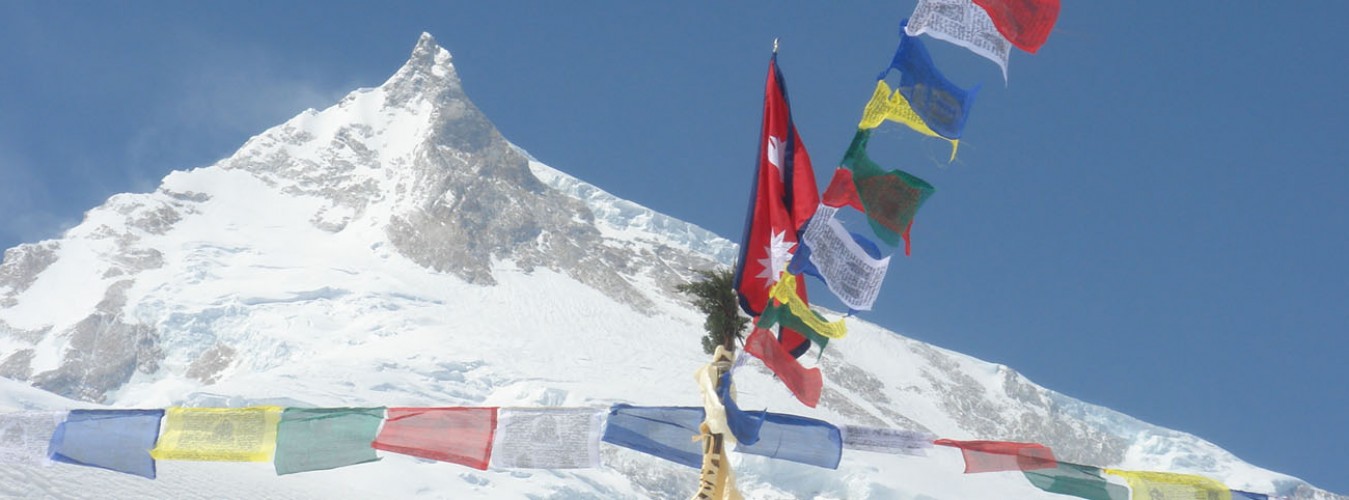
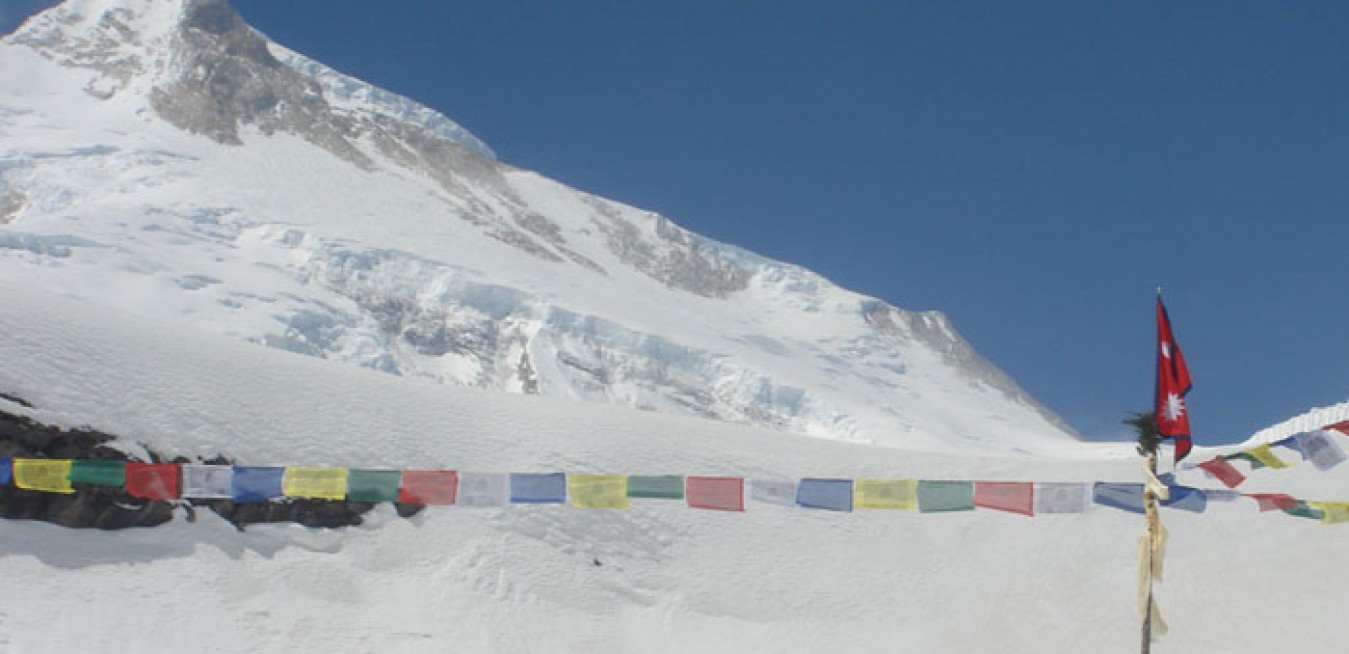
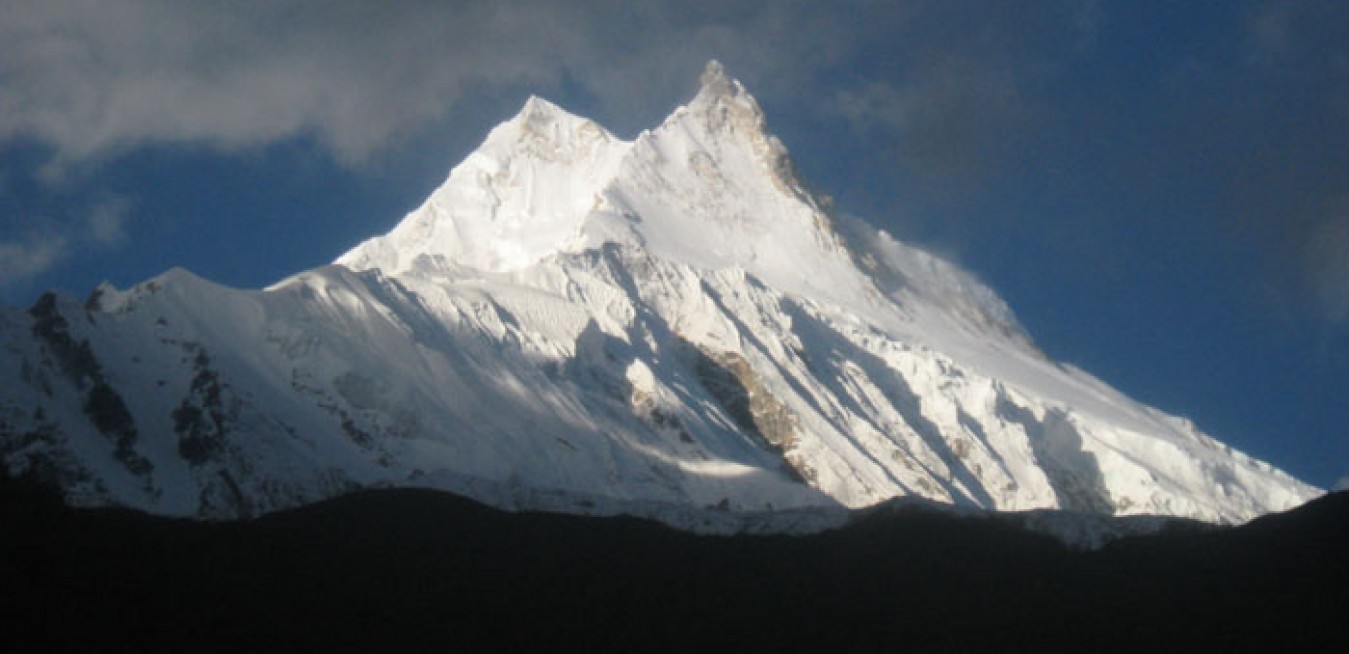
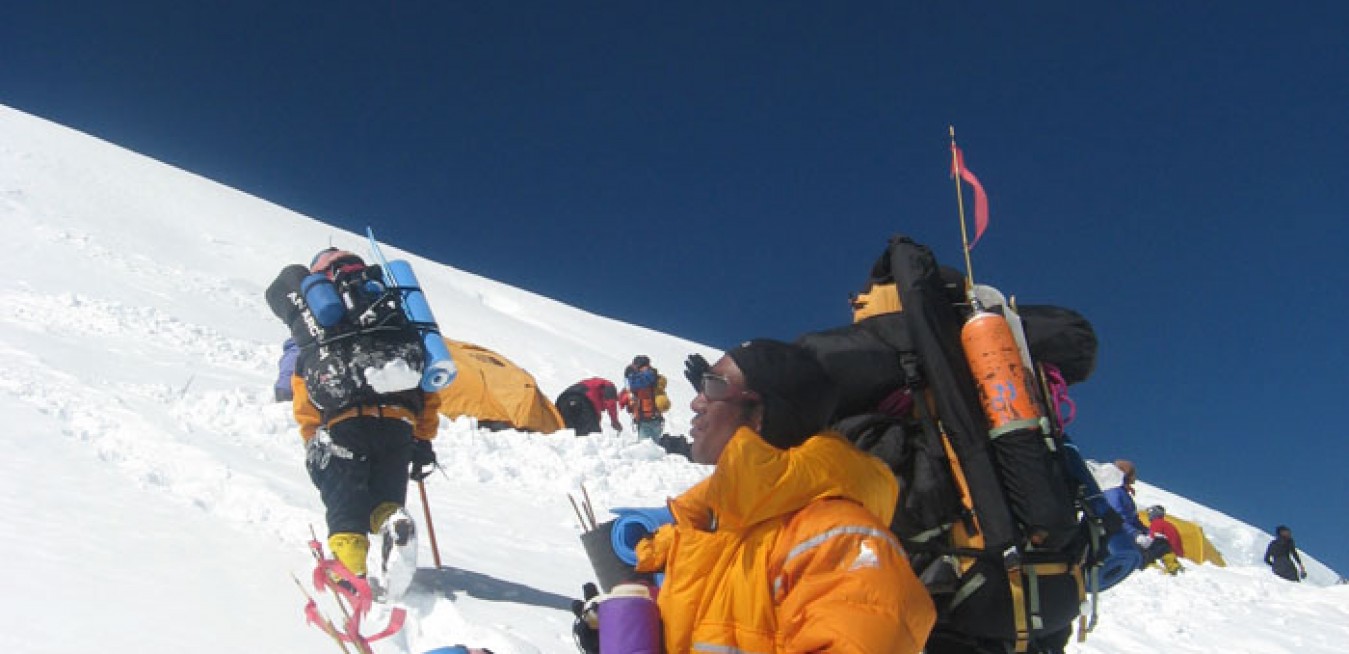
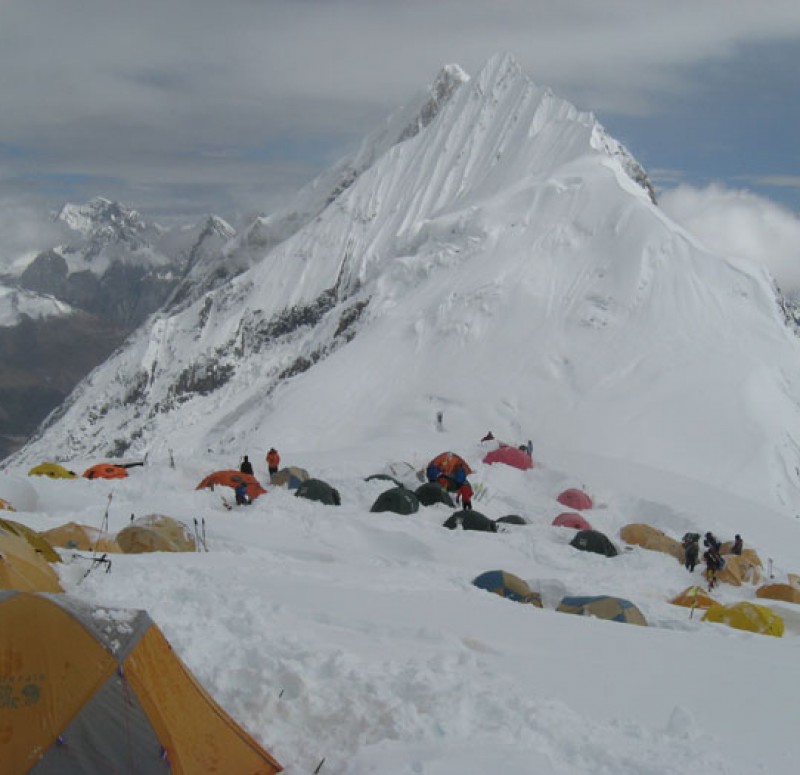
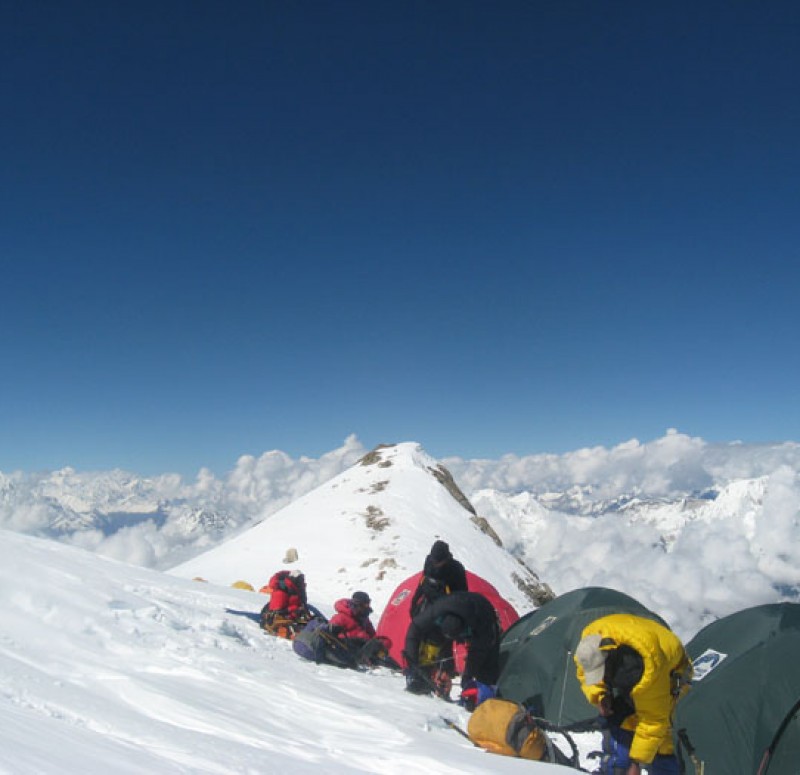
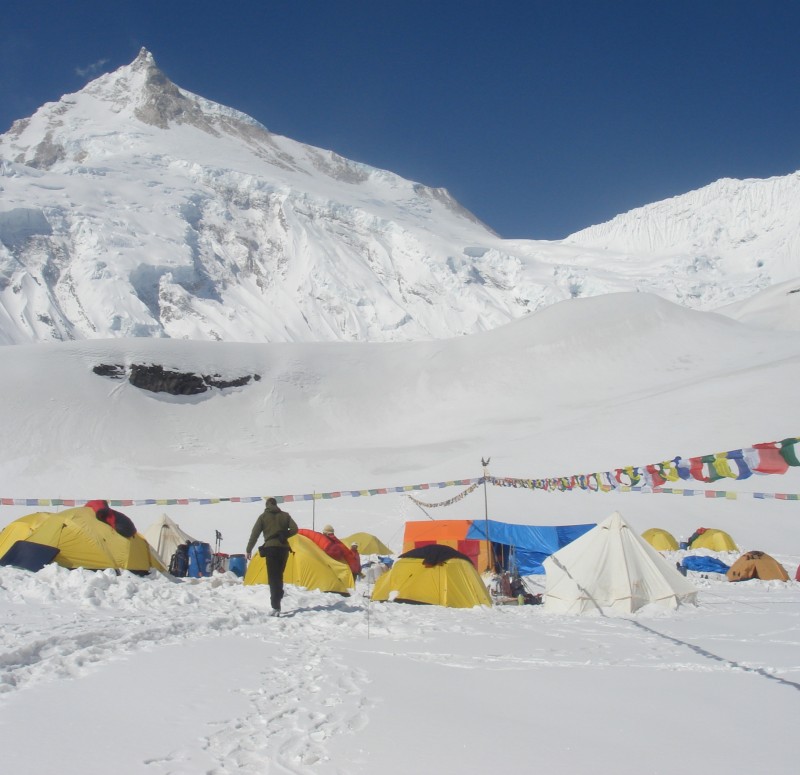
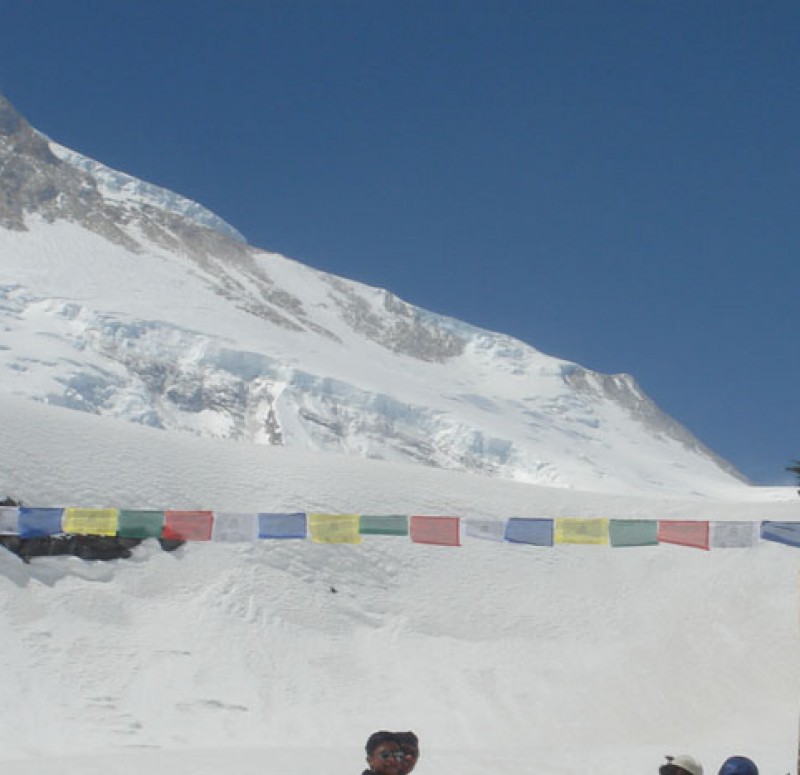
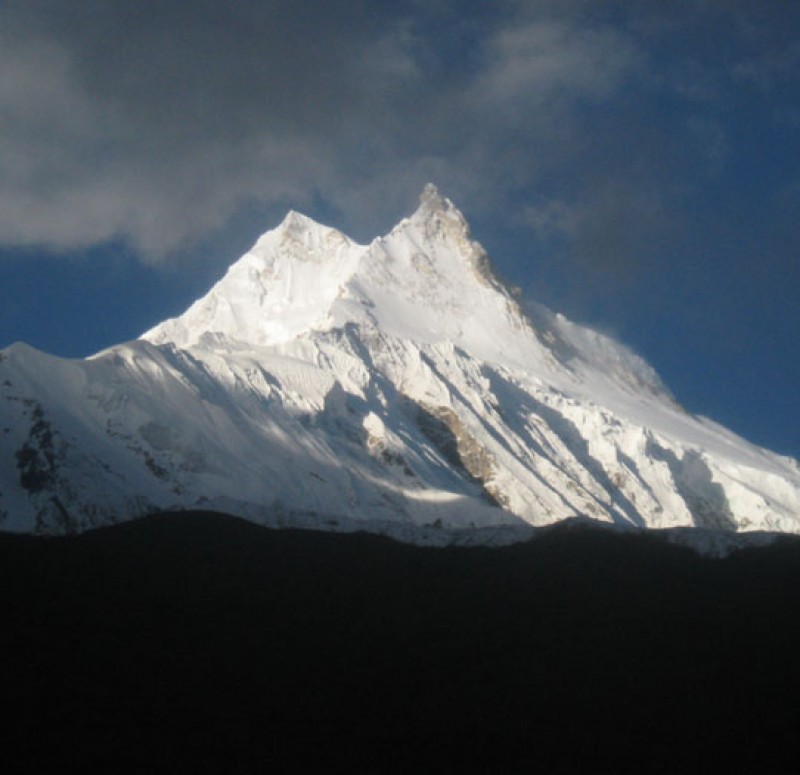
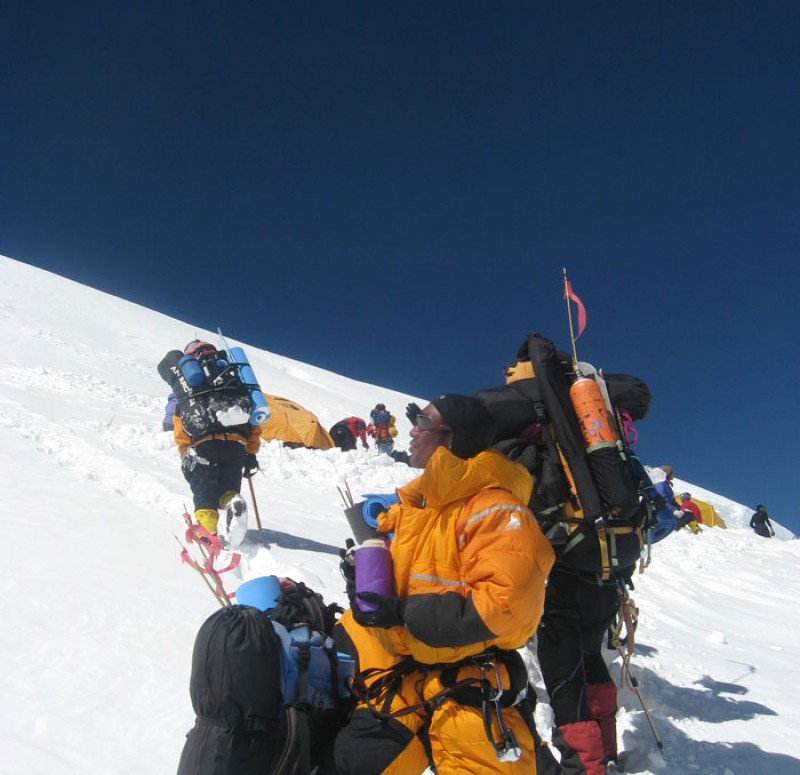
Manaslu lies in the western part of Nepal. It rises to 8163 m above sea level. It was first climbed by Toshio Imanishi( Japan) on 9 May 1956. Its name comes from the Sanskrit word manasa, meaning "intellect" or "soul". It is the same root word as that for Mansarover, the holy lake near Mt. Kailash in Tibet.
First survey of the peak was made by a Japanese expedition in 1952. A Japanese team made the first serious attempt on the peak from the Budhi Gandaki valley in 1953. When another team followed in 1954, the villagers of Samagaon told them the first team had been responsible for an avalanche that destroyed a monastery and refused to let the 1954 expedition climb. Despite a large donation for the rebuilding of the monastery, subsequent Japanese expeditions, including the one that made the first ascent in 1956.
44 Days
-
Destinantion
Nepal
-
Region
Nepal
-
Max Altitude
8163 m
-
Activity
Mountaineering
-
Experience
Advance Level
-
Accomodation
Hotel/Lodge/Camping
-
Trip Start
Kathmandu/Arughat/Samagaon/BC
-
Trip End
Arughat/Kathmandu
Expedition's Info
Height: 8163 m
Location: Nepal
Latitude 28° 33' 0
Longitude: 84° 34' 0.12
- Day 1 ARRIVAL IN KATHMANDU
- Day 2 IN KATHMANDU FOR EXPEDITION PREPARATION
- Day 3 IN KATHMANDU FOR EXPEDITION PREPARATION
- Day 4 DRIVE TO GORKHA/ARUGHAT BAZZAR
- Day 5 TREK TO KHURSANIBARI
- Day 6 TREK TO JAGAT OR SALLERI
- Day 7 TREK TO DYANG
- Day 8 TREK TO NAMRUNG
- Day 9 TREK TO SAMA GAON
- Day 10 REST DAY IN SAMA GAON FOR ACCLIMATIZATION
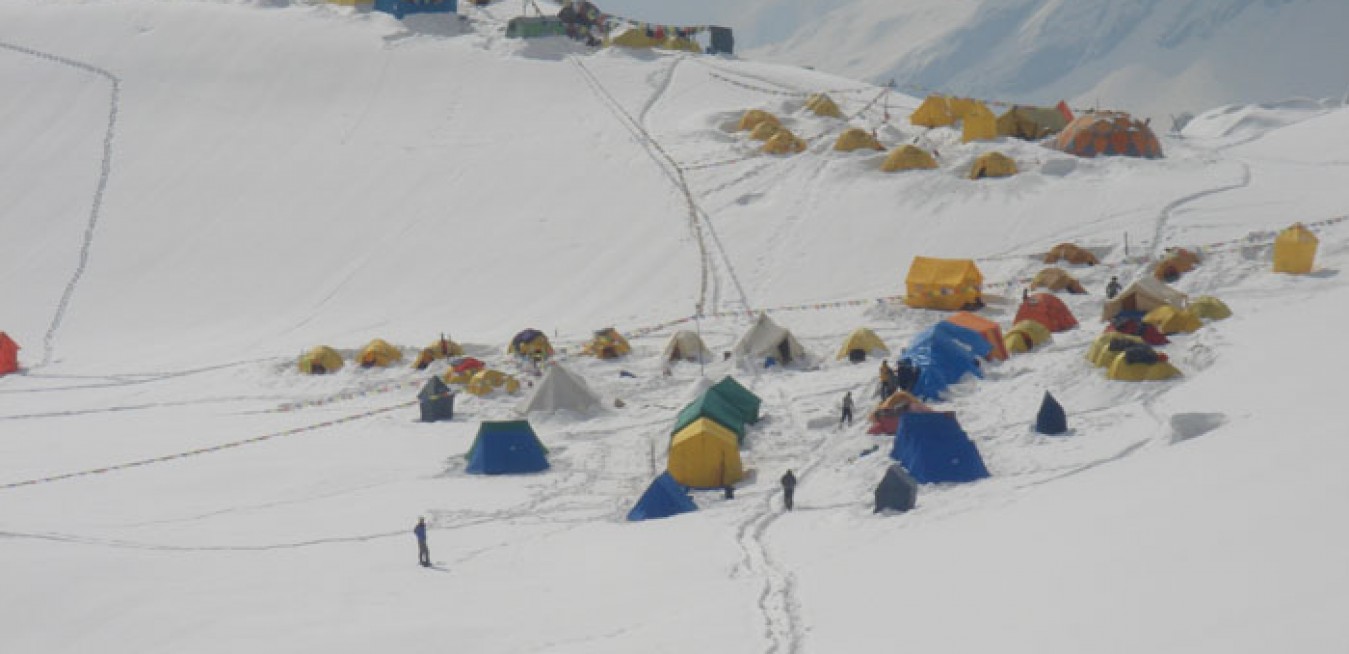
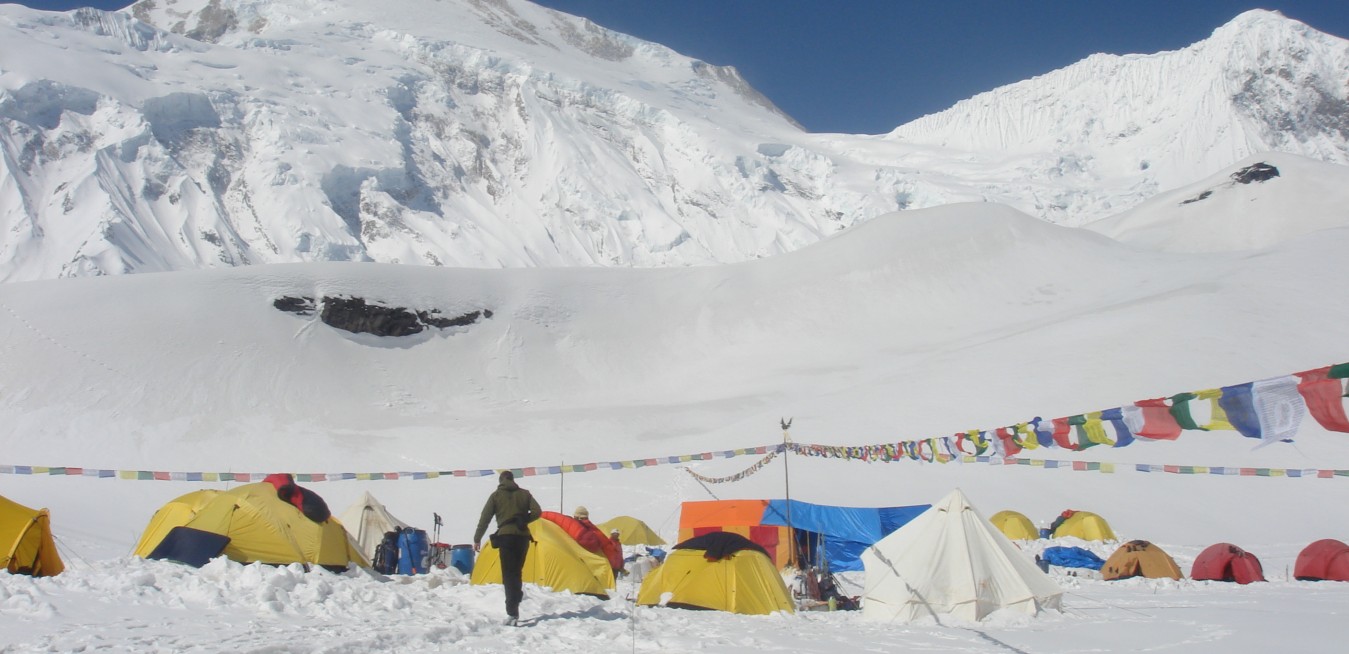
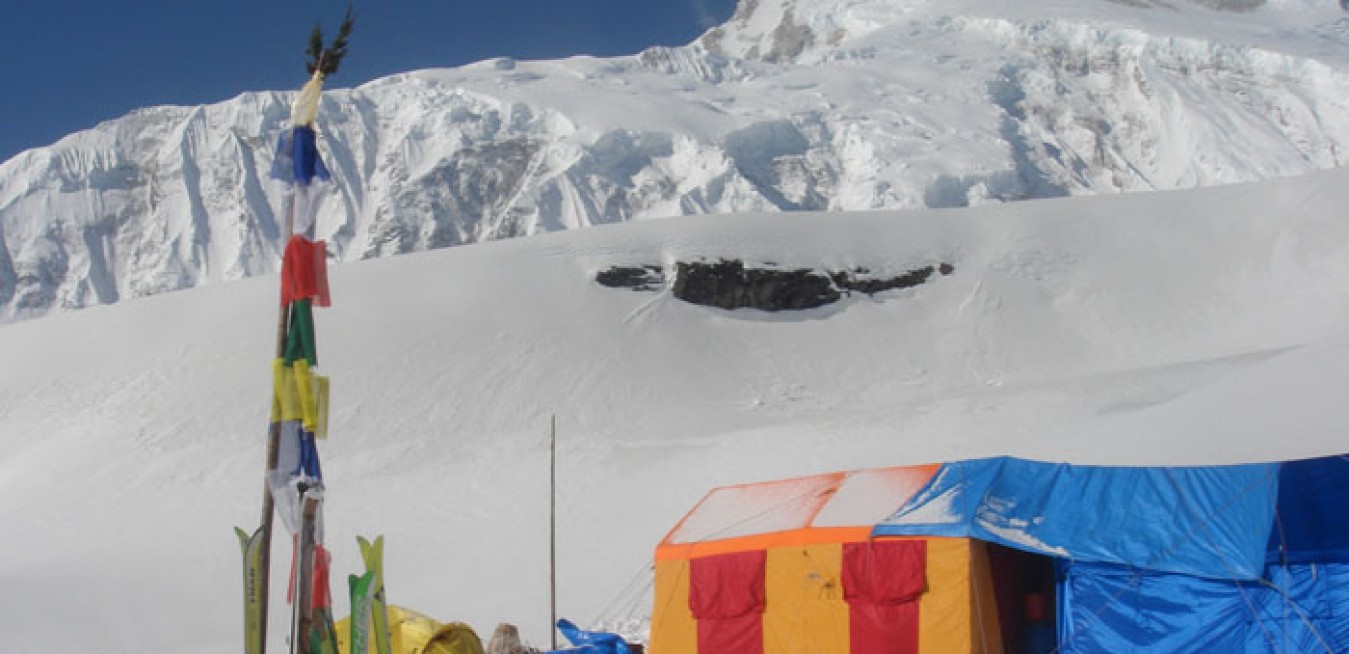
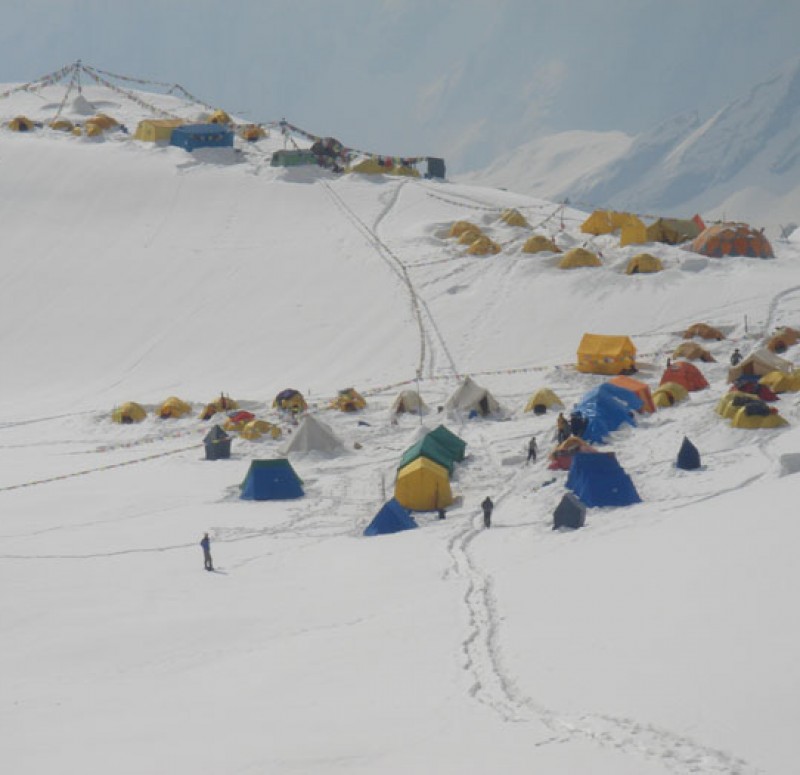
- Day 11 TREK TO MANASHLU BASE CAMP
- Day 12 REST, ORGANISATION AND TRAINING AT BASE CAMP
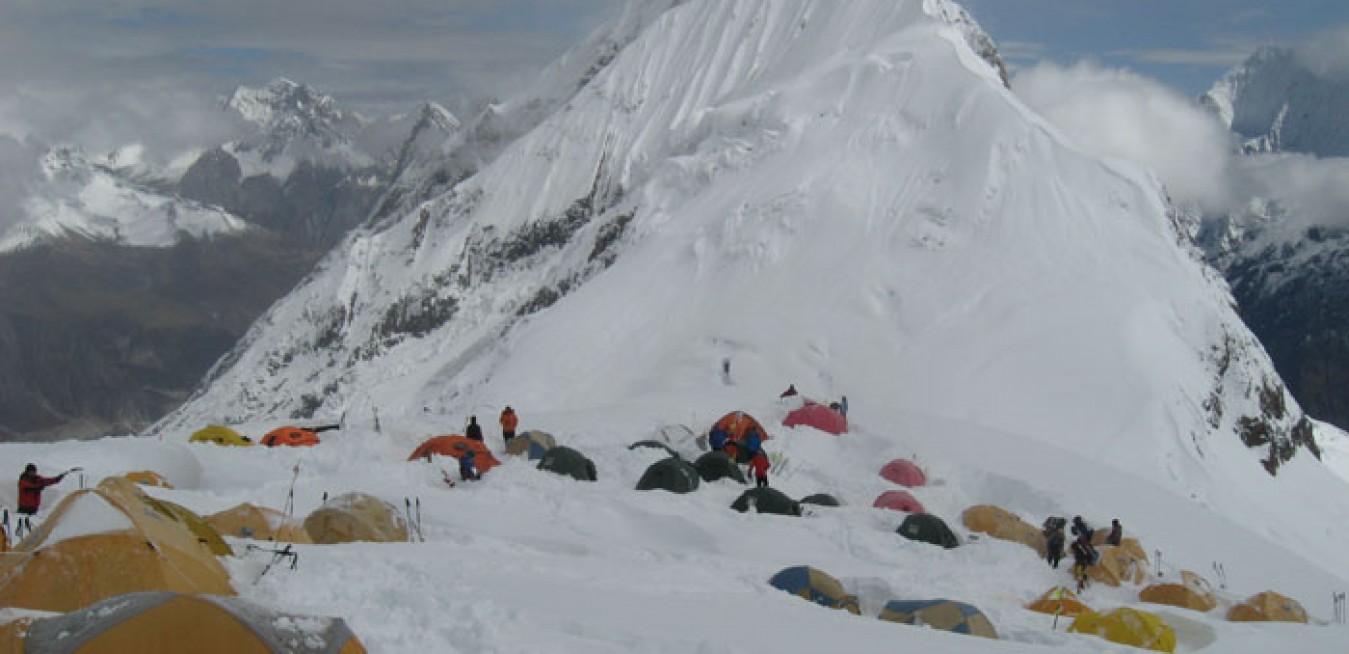
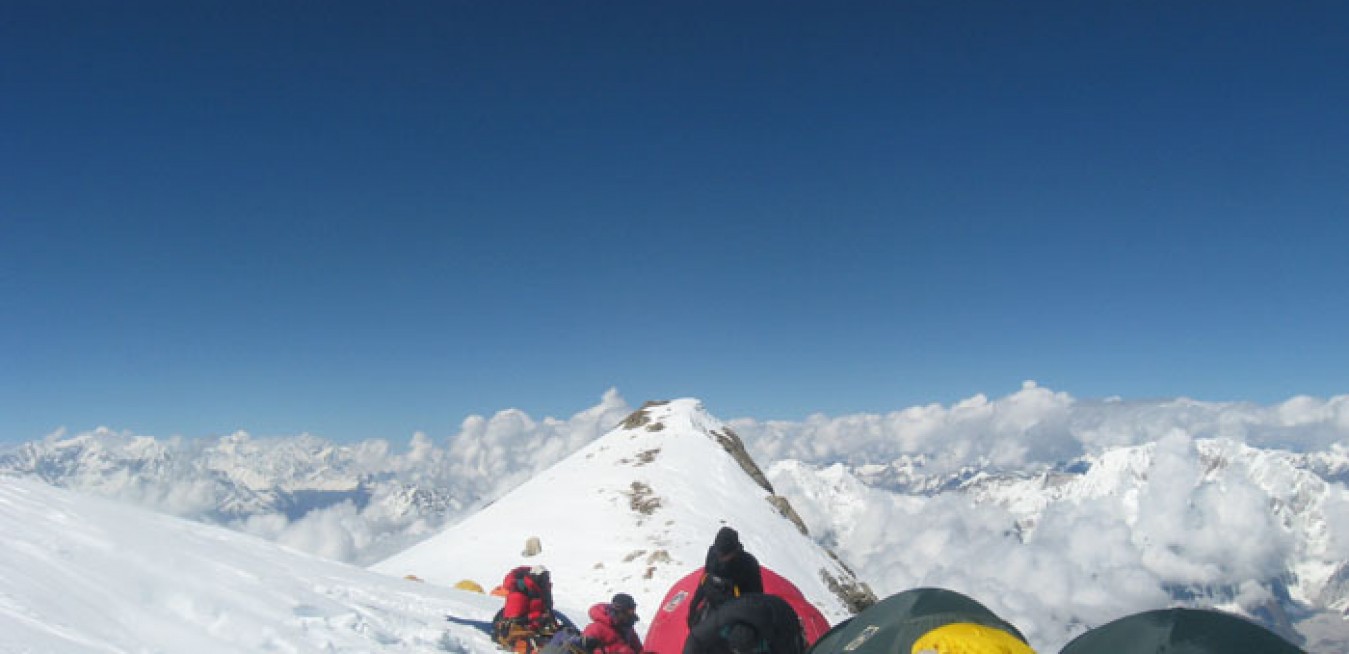
- Day 13-37 CLIMBING PERIOD- MT. MANASHLU
- Day 38 CLEAN UP BASE CAMP
- Day 39 TREK BACK TO SAMA GAON
- Day 40 TREK TO GHAP
- Day 41 TREK TO MACHHAKHOLA
- Day 42 DRIVE BACK TO KATHMANDU
- Day 43 FREE DAY IN KATHMANDU
- Day 44 DEPARTURE
 SEND US MESSAGE OR EMAIL TO KNOW THE EXPEDITION COST:
WHAT'S INCLUDED?
- All arrival and departure transfer services to and from KTM international airport with other necessary transportation as per itinerary.
- Assistance at KTM international airport by our office representatives during your arrival and departure.
- 5 night hotel accommodation in Kathmandu on Bed & Breakfast basis (3 Star category Hotel).
- Trekking Permit
- TIMS card (Trekking Information Management System).
- Expedition Royalty and permit from Nepal government to climb Mt. Manaslu.
- Nepalese Government Royalty.
- Government Liaison Officer
- Land transportation for all climbing members , Liaison officer and Sherpa staffs
- Oxygen cylinders 2 per member with Top out mask and regulator
- High altitude tents
- High altitude food and fuels
- Experienced, trained, government licensed climbing guide (Sherpa). 1 Climbing Sherpa for 1 climbing member.
- Common climbing equipment such as: Rope, ice bars, ice screws, and snow bar.
- Accommodation at hotel/lodge/guest house or tent camps during the trekking period.
- 50kg baggage allowance per person during the trekking period. This will be carried by porters/Yaks.
- All camping accommodation for members and staff during trekking. You will be sharing sleeping quarters with one other member.
- Services of chef and kitchen assistant at base camp.
- 3 meals a day during trekking and expedition: Breakfast, lunch and dinner with tea/coffee.
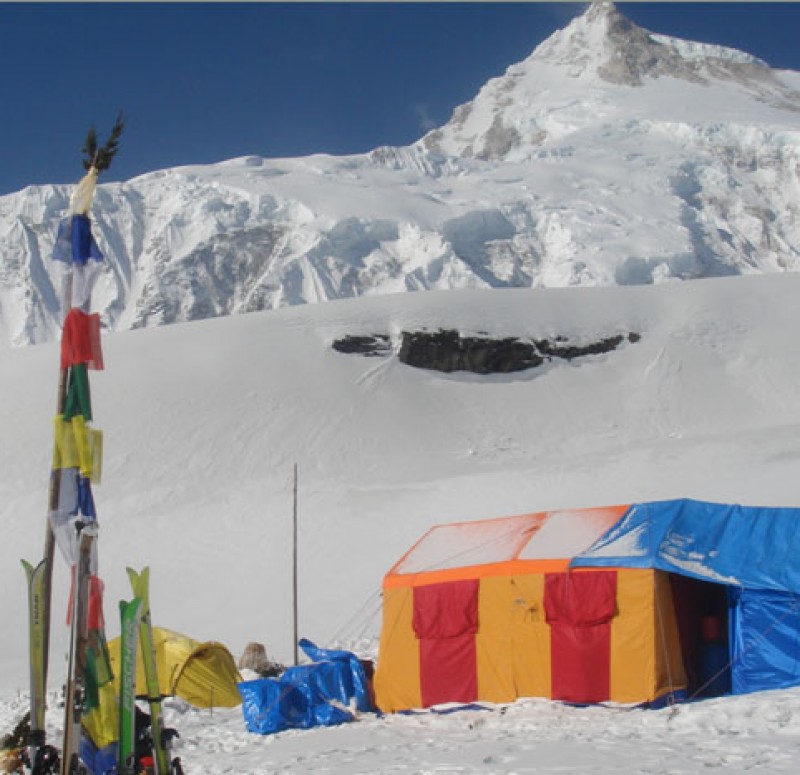
- All facilities including: kitchen tent, storage tent, frame dining tent, sleeping tents, toilet tents, tables, chairs and cooking utensils for base camp.
- Food and fuel for base camp.
- Equipment allowances and wages for climbing Sherpa’s, cooks, kitchen assistant and government liaison officer.
- Medical and accident insurances for all involved staff during the trekking and climbing period.
- Helicopter rescue insurance for all involved expedition staffs.
- Comprehensive Medical kit.
- Required fixed and dynamic rope during the climbing period.
- Heater will be provided at base camp for the dining tent.
- Emergency oxygen mask and regulator provided upon request of client with requirement appropriate charge.
- Solar panels or Generator at Base Camp for light and for charging electric devices.
- Walkie –Talkie for communicating from Base Camp to Mountain and Mountain to Base Camp.
- Free assistance service for cargo clearance and duties.
- Generator will be providing to back-up the lighting in base camp.
- Our service charge and government taxes levied in Nepal.
- Complete pre-departure information.
- Flight ticket reconfirmation and visa extension procedure services.
- Mt. Manaslu climbing certificate issued by MoCTCA (after climbing Manaslu successfully).
- Farewell dinner in Nepali restaurant in Kathmandu before departure.
WHAT'S NOT INCLUDED?
- Lunch and dinner during your stay in Kathmandu (except for the farewell dinner).
- Any packed food/snacks, aerated drinks, energy drinks, mineral water, alcohol, cigarettes, chocolates, or any other food consumed beyond the prescribed breakfast, lunch and dinner.
- Expenses incurred towards usage of landlines, mobiles, walkie-talkies, satellite phones and internet.
- Clothing, packing items or bags, personal medical kit, personal trekking gear.
- Any extra expenses arising out of various/unforeseen situations like natural calamities, landslides, political disturbances, strikes, changes in government regulations, etc.
- Transportation services includes only what is listed on the itinerary. Any extra distance travelled will be appropriately charged.
- Any additional staff other than specified.
- Rescue, repatriation, medicines, medical tests and hospitalization expenses.
- Medical insurance and emergency rescue evacuation if required.
- Travel insurance and helicopter rescue.
- Personal climbing gear.
- Summit bonus $500.00USD minimum for each climbing Sherpa guide.
- Nepal custom duty for import of expedition equipment.
- Items of personal nature, laundry expenses, tips.
- Tips, gifts, souvenirs.
- Airfare of international flights.
- Nepal entry visa fee (Visa's easy to acquire upon arrival).
- Any extra services, products, offers or activities which are not mentioned in the itinerary.
- Any other item not included in “THE PACKAGE COST INCLUDES” section.
GOOD TO KNOW:
HOW TO SAY HELLO AND THANK YOU IN NEPALI
Many Nepalese know Hello and Thank you, but hearing you speak in their language is still a sweet sound of respect. When saying Hello in Nepal, you say “Namaste” and fold your hands into a prayer. Thank you is “Danyavad”.
HOW TO GET A NEPAL VISA UPON ARRIVAL
Once you arrive at the airport, please follow these simple procedures for Tourist Visa on Arrival.
1st Step. Fill in ' Arrival Card ' ...
2nd Step. Make payment at the bank according to your visa requirement ( 15/30/90 Days) ...
3rd Step. Proceed to the Immigration Desk with your online form, payment receipts and your passport.
THE SPOKEN LANGUAGE IN NEPAL IS NEPALI AND THE SECOND LANGUAGE IS ENGLISH
Nepali is an Indo-Aryan language similar to Hindi, is written in Devanagari script and is the first language of Nepal. Indian travelers should understand enough to get around. English is a secondary language spoken mostly in large cities like Kathmandu. Outside Kathmandu, English is spoken a little less, but getting around is still manageable. Simply smile with a Namaste and the Nepalese will help you in any way they can.
AVOID DRINKING TAP WATER
Tap water is not filtered or purified in Nepal. Thus, tap water is often boiled before consumption. It’s best to buy bottled water. It is relatively inexpensive. Avoid any fruits and veggies foods washed in tap water.
ROADS AND DUST
Roads in Nepal can occasionally be in disrepair, due in part to the earthquake. The government is said to be working on improving them. Still, you’ll find large potholes and a lot of dust, especially in the more urban areas of Kathmandu. You’ll see Nepalese wearing face masks when driving on the road. Women cover their faces with saris or scarves.
SQAT TOILETS ARE COMMON IN NEPAL
While westernized hotels and restaurants and tourist attractions have western toilets, you’ll find more local joints and public restrooms bearing squat toilets.
AVOID STREET FOOD
Nepalese street food has been known to cause many bold adventurers a case of traveler’s stomach issues. Refrigeration is poor in Nepal so street food isn’t always refrigerated and food can be reused after a day of being out. Stick to well-maintained and busy restaurants.
BLACK OUT IN NEPAL
In the past, Nepal had regular blackout periods, which meant most of the city would go dark and don lanterns or power generators to keep business flowing. Today, the Nepal Electricity Authority (NEA) has turned on the lights, making blackouts a thing of the past. But the newfound electricity has made Nepalese people suspect that the NEA purposely left them in the dark all these years, as a ploy to force them to invest in power generators.
Kathmandu is fairly lit and most westernized hotels and restaurants have backup power generators for traveler’s convenience. In more remote areas and trekking trips, take a flashlight or head lamp.
Fix Departures
| Start Dates | End Dates | Group Size | Availability | Trip Enquiry |
|---|---|---|---|---|
|
|
20th May 2020
|
07 pax
|
Open
|
|
|
11th Apr 2020
|
25th May 2020
|
05 pax
|
Open
|
|
|
5th Oct 2020
|
21st Nov 2020
|
07 pax
|
Open
|
|
|
12th Oct 2020
|
27th Nov 2020
|
05 pax
|
Open
|
Want to Make A Private Trip?
Inquire This Trip As A Private Departure For ANy Group Size.
Similar Expeditions
-
 $0
$0
Mt. PUMORI (7161 M) EXPEDITION- NEPAL
32 Days -
 $0
$0
Mt. Everest South (8848 M) EXPEDITION- NEPAL
58 Days -
 $0
$0
MT. AMADABLAM (6812 M) EXPEDITION- NEPAL
32 Days -
 $0
$0
Mt. DHAULAGIRI (8167 M) EXPEDITION- NEPAL
46 Days -
 $0
$0
HIMLUNG HIMAL (7126 M) EXPEDITION- NEPAL
32 Days -
 $0
$0
MT. LHOTSE (8516 M) EXPEDITION- NEPAL
52 Days


